
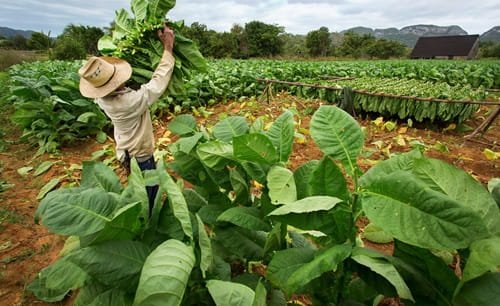
Yes, tobacco farming is legal in India—but it is strictly regulated, and recent 2026 updates have significantly changed how it is taxed and managed.
Tobacco sits in a unique position in India. On one side, it supports millions of farmers and contributes to exports. On the other, it is linked to serious public health concerns. Because of this, the government has never fully banned tobacco farming—but it keeps it under tight control.
What makes 2026 important is that the government has introduced major tax reforms, eased some farming rules, and pushed new technology into the system. So today, tobacco farming is not just legal—it is evolving.
Let’s understand it clearly.
What the Law Says
Tobacco cultivation is governed by:
- The Tobacco Board Act, 1975
- The Cigarettes and Other Tobacco Products Act (COTPA), 2003
The Tobacco Board of India regulates production, especially for export-oriented tobacco.
So:
- Farming is allowed
- But it must follow licensing, quotas, and sale systems
Types of Tobacco and Regulation
1. FCV Tobacco (Highly Controlled)
Flue-Cured Virginia (FCV) tobacco is used in cigarettes.
- Requires license from the Tobacco Board
- Production is controlled through quotas
- Sale happens via official auction platforms
This is the most regulated category.
2. Non-FCV Tobacco (Less Controlled)
Used for:
- Bidis
- Chewing tobacco
- No central license in most cases
- But still subject to state and market regulations
Major 2026 Update: Tax Relief for Farmers
1. “Zero-Duty” on Raw Tobacco (Feb 2026 Budget)
A major change came in February 2026:
- Excise duty on raw/unmanufactured tobacco reduced to 0%
This applies to:
- Raw tobacco (HS Code 2401)
Why This Matters
Earlier:
- There was confusion and tax disputes on raw tobacco
Now:
- Farmers get better pricing
- Traders face less paperwork
At the same time:
- Finished products like cigarettes remain heavily taxed
So the burden has shifted away from farmers and toward manufacturers.
New Tax System (Post-2026 Changes)
2. End of GST Compensation Cess
As of February 1, 2026:
- The old GST Compensation Cess on tobacco was removed
New System Introduced
- Health Security to National Security Cess Act, 2026
This new cess:
- Applies mainly to manufacturers
- Is capacity-based, not farmer-based
Impact on Farmers
- Demand for raw tobacco becomes more stable
- Less direct tax pressure on cultivation
Ease of Doing Business (Big Relief for Farmers)
3. 3-Year License Rule (2025–26 Season Update)
Earlier:
- Farmers had to renew licenses every year
Now:
- FCV tobacco grower registration is valid for 3 years
- Barn licenses also extended to 3 years
Why It Matters
- Less paperwork
- Reduced administrative burden
- More stability for farmers
This is especially helpful in states like:
- Andhra Pradesh
- Karnataka
Technology Upgrade: AI-Based Grading (2026)
4. Modern Auction System
The Tobacco Board has started using:
- AI-based mobile applications for grading tobacco
Earlier:
- Manual grading led to disputes
Now:
- More transparent pricing
- Reduced human bias
- Faster auction process
This is a major step toward modernization.
Government Push: Crop Diversification (CDP 2026)
Even though tobacco is legal, the government is encouraging farmers to shift to other crops.
Recommended Alternatives
- Hybrid maize
- Chilli
- Cotton
- Millets (Shree Anna)
Incentives Under PM-RKVY
Farmers switching crops can get:
- ₹8,000 to ₹14,000 per hectare
This shows the government’s long-term plan:
- Reduce tobacco dependency gradually
- Support healthier agricultural practices
Restrictions Still Apply
Even with new benefits, tobacco farming is not free from rules.
1. Quota System
- Production limits still exist for FCV tobacco
2. Controlled Sales
- Must sell through authorized channels
3. Environmental Rules
- Land use and sustainability regulations apply
When It Becomes Illegal
Tobacco farming becomes illegal if:
- Done without required license (for regulated types)
- Production exceeds quota
- Illegal trading or smuggling occurs
Penalties include:
- Fines
- License cancellation
- Seizure of stock
Common Misunderstandings
“Tobacco farming is banned”
No. It is legal but controlled.
“Taxes have increased for farmers”
Actually, 2026 reforms reduced tax burden on raw tobacco.
“Anyone can grow FCV tobacco freely”
Wrong. Licensing and quotas still apply.
Ethical and Economic Balance
Tobacco farming shows a clear contradiction:
Economic Side
- Supports millions of livelihoods
- Important export crop
Health Side
- Linked to major diseases
- Government discourages consumption
That’s why the policy is:
- Allow farming
- Control production
- Shift long-term focus to alternatives
Practical Advice for Farmers
If you plan to grow tobacco:
- Check if your crop type needs licensing
- Take advantage of 3-year registration validity
- Use official auction platforms
- Stay updated on AI grading systems
- Consider diversification incentives if switching crops
Final Thoughts
Tobacco farming in India remains legal in 2026, but it is one of the most carefully managed agricultural sectors. Recent changes have made life easier for farmers—zero-duty on raw tobacco, longer licenses, and better pricing systems.
At the same time, the government is slowly shifting the focus away from tobacco through diversification programs and health policies.
Overall you can grow tobacco legally, but only within a structured system that is now becoming more farmer-friendly and technology-driven.

Our dedicated team gathers information from all the reliable sources to make the law accessible and understandable for everyone. We provide the latest legal news stories from across the country, delivered straight to you.