
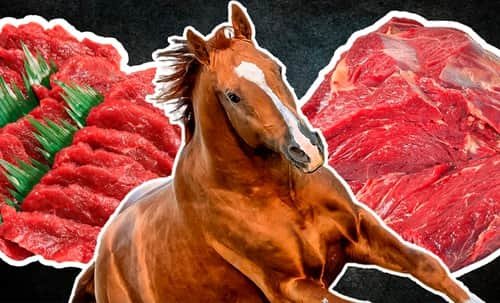
Yes — horse meat is legal in India, but with restrictions and social sensitivity.
At first glance, this might surprise many people. In India, food habits are deeply tied to culture, religion, and regional traditions. So when it comes to something like horse meat, the answer isn’t just about law—it’s also about society.
Legally, there is no nationwide ban on consuming horse meat. But that doesn’t mean it’s freely available everywhere or widely accepted. In fact, in most parts of India, eating horse meat is uncommon and often discouraged socially.
To understand the full picture, you have to look at the law, cultural attitudes, and practical realities together.
What Indian Law Says About Horse Meat
India does not have a specific central law that bans horse meat across the country.
Under general food laws:
- Meat consumption is allowed if the animal is legally slaughtered
- Slaughter must follow hygiene and safety standards
- The animal should not be protected under wildlife laws
Horses are considered domestic animals, not protected wildlife. So from a legal standpoint, their meat is not banned.
However, slaughter rules fall under state laws, and that’s where things become more complicated.
State-Level Regulations Matter
In India, animal slaughter laws are largely controlled by individual states.
Some states:
- Allow horse slaughter under regulated conditions
- Require licenses and veterinary approval
Other states:
- Restrict or indirectly discourage it
- Focus mainly on banning cow slaughter but also regulate other animals
Because of this, the legality of horse meat can vary depending on where you are.
In practice, even where it is legal, slaughterhouses for horses are rare.
Cultural and Social Factors
This is the biggest reason why horse meat is rarely seen in India.
Horses in India are traditionally viewed as:
- Symbols of pride and royalty
- Associated with history and warfare
- Used in ceremonies and rituals
Because of this cultural respect, many communities do not consider horses as food animals.
So even if the law allows it, social acceptance is very low.
Where Horse Meat is Actually Consumed
Horse meat is not completely absent in India—it exists, but in limited pockets.
Some regions where it has been reported:
- Parts of the Northeast
- Certain tribal communities
- Remote rural areas with different food traditions
Even in these areas, it is not a mainstream or daily food item.
For most Indians, it remains unusual or even uncomfortable to think about.
Legal Slaughter Conditions
If horse meat is to be sold legally, strict conditions must be followed:
- Slaughter must happen in a licensed slaughterhouse
- Veterinary inspection is required
- Meat must meet food safety standards
- Proper documentation should be maintained
Selling meat outside these rules can lead to legal action.
So while the law allows it, the process is not simple or widespread.
Illegal Trade and Concerns
There have been reports over the years of illegal horse slaughter in India.
Common issues include:
- Slaughter without permission
- Poor hygiene conditions
- Selling meat without proper labeling
In some cases, horse meat has even been misrepresented as other types of meat, which is a serious offense under food safety laws.
Authorities do take action against such practices when detected.
Religious Perspective
India is a diverse country with multiple religions, and food choices often reflect that.
- In Hinduism, horses are respected and rarely eaten
- In Islam, horse meat is generally considered halal but not commonly consumed in India
- Other communities may have their own traditions
So while there is no universal religious ban across all groups, cultural hesitation is strong.
Availability in the Market
In practical terms, you will almost never find horse meat in:
- Regular butcher shops
- Supermarkets
- Online grocery platforms
Unlike chicken, mutton, or fish, horse meat is not part of mainstream food supply.
Even in cities, it is extremely rare.
This shows the gap between what is legally allowed and what is actually practiced.
Comparison with Other Meats
To understand better, compare it with common meats in India:
- Chicken — widely accepted and available
- Goat (mutton) — popular across regions
- Fish — staple in coastal and eastern areas
- Beef — restricted in many states
Horse meat falls into a completely different category:
- Legally allowed in some places
- Socially uncommon
- Practically unavailable
Health and Safety Aspects
Like any other meat, horse meat can be safe to eat if handled properly.
It is known in some countries for being:
- Lean
- High in protein
- Low in fat
However, in India, due to lack of proper supply chains, there are concerns about:
- Hygiene
- Authenticity
- Regulation
This makes it less reliable compared to commonly consumed meats.
Why It Feels “Illegal” to Many People
Even though it’s legal, many people assume horse meat is banned.
That’s because:
- It’s rarely seen
- It’s culturally sensitive
- It’s not sold openly
When something is both uncommon and socially discouraged, it starts to feel illegal—even if it isn’t.
Final Verdict
Horse meat is legal in India under certain conditions, but it is highly restricted by state laws, rarely available, and socially sensitive.
In reality, while the law allows it in some places, it is neither common nor widely accepted as food.

Our dedicated team gathers information from all the reliable sources to make the law accessible and understandable for everyone. We provide the latest legal news stories from across the country, delivered straight to you.