
This is one of those rules people often misunderstand. Many think any kind of dark film is illegal. Others assume it’s fine as long as police don’t stop them. Both are wrong.
India does allow tinted glass—but only to a specific level of visibility. And the law is very clear about it.
If you go beyond that limit, even slightly, you can face fines, challans, or even have the film removed on the spot.
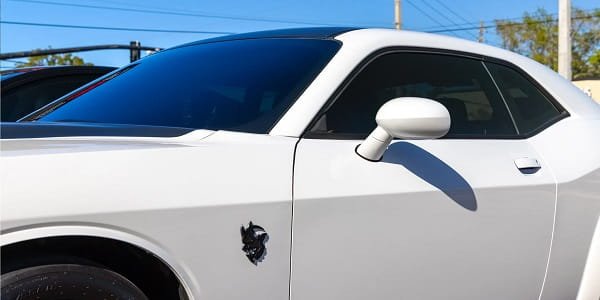
The Exact Legal Tint Limit in India
The rules come from the Supreme Court of India and the Motor Vehicles Act.
Here are the official limits:
- Front windshield (front glass): minimum 70% visibility (VLT)
- Side windows: minimum 50% visibility (VLT)
- Rear windshield: no strict percentage mentioned, but must not block visibility if mirrors are used properly
VLT stands for Visible Light Transmission.
It simply means how much light can pass through the glass.
So:
- 70% VLT = 70% light passes through
- 50% VLT = 50% light passes through
Lower percentage = darker glass = illegal.
What About Black Films or Dark Tints?
This is where most people get caught.
Back in 2012, the Supreme Court of India gave a strict order:
- All black films or dark sun-control films are banned, even if they claim to meet VLT limits.
This means:
- Even if a film says “70% VLT,” it can still be illegal if it is applied as a separate layer
- Factory-fitted tinted glass is allowed, but aftermarket films are generally not
This is why police often remove films during checking drives.
Factory-Tinted Glass vs Aftermarket Film
There is an important difference here.
Factory-Fitted Glass
- Comes directly from the car manufacturer
- Already meets legal VLT limits
- Completely legal
Aftermarket Tint Film
- Applied after buying the car
- Often darker than allowed
- Usually considered illegal
Even a light-looking film can get you fined because enforcement officers may not measure VLT on the spot—they go by appearance and rules.
Why Are Tint Rules So Strict?
The rules are not random. They exist mainly for safety and security.
1. Crime Prevention
Dark windows make it hard to see inside a vehicle. This can:
- Help criminals hide
- Increase risks during police checks
2. Road Safety
Drivers need clear visibility, especially at night. Heavy tint can:
- Reduce vision
- Increase accident risk
3. Law Enforcement
Police need to identify occupants during routine checks. Dark tints make this difficult.
Because of these reasons, India follows stricter rules compared to many other countries.
Penalties for Illegal Tint
If your car violates tint rules, you can face:
- Fine (challan)
- Immediate removal of the film
- Repeat violations may lead to higher penalties
In many cities, traffic police run special drives targeting tinted windows.
So even if you’ve been using it for months without issues, one check can change that quickly.
Common Myths About Tint Laws
Let’s clear a few common misunderstandings.
Myth 1: “Light tint is always safe”
Not true. Even light films can be illegal if they are aftermarket.
Myth 2: “Police need a meter to check VLT”
In theory yes, but in practice, officers often act based on visible darkness and Supreme Court guidelines.
Myth 3: “Rear glass can be fully black”
Wrong. It still needs to allow visibility, especially if mirrors are used.
Myth 4: “VIPs or officials can use dark tint”
No. The rules apply to everyone, except certain high-security vehicles with special permission.
Are There Any Exceptions?
Yes, but very limited.
Medical Exemptions
Some people with medical conditions (like skin sensitivity to sunlight) can apply for special permission.
However:
- This requires official approval
- It’s not easily granted
- Proper documentation is needed
Security Vehicles
Certain government or security vehicles may have exemptions.
For normal private car owners, these exceptions rarely apply.
What About Sun Protection Alternatives?
Since dark tint is restricted, many people look for legal alternatives.
Here are safer options:
- UV-cut factory glass (comes with modern cars)
- Sunshades (removable and allowed when parked)
- Car curtains (allowed in some cases for rear seats)
- Parking in shade or using windshield covers
These options help reduce heat without breaking the law.
Practical Advice for Car Owners
If you want to stay safe from fines and hassle:
- Avoid aftermarket tint films completely
- Trust factory-fitted glass only
- Don’t go by what others are doing—many are simply taking risks
- If already installed, consider removing it
Because enforcement can be unpredictable.
Tinted windows are legal in India—but only within strict visibility limits and mostly only if factory-fitted.
The moment you apply aftermarket film, you step into a risky zone.
Conclusion
Window tint might feel like a small thing, but in India, it’s taken seriously.
The rules are clear:
- Maintain visibility
- Avoid dark films
- Stick to legal limits
In the end, it’s not just about avoiding a fine.
It’s about safety—yours and others on the road.
So if your car has dark tint, the better question is not “Will I get caught?”
It’s “Is it worth the risk?”

Our dedicated team gathers information from all the reliable sources to make the law accessible and understandable for everyone. We provide the latest legal news stories from across the country, delivered straight to you.