
Drug trafficking remains one of the most heavily prosecuted offenses in the United States. In fiscal year 2024, more than 18,000 federal drug trafficking cases were reported, and nearly 97% of those convicted received prison sentences. The average sentence for drug trafficking offenses was approximately 82 months, illustrating the serious consequences that can follow a conviction. These cases often involve complex investigations, substantial evidence, and penalties that can affect a person’s future for years to come.
For individuals in Chicago facing criminal allegations, fighting drug possession and trafficking charges can feel overwhelming. Prosecutors may pursue aggressive penalties, but an arrest does not automatically mean a conviction. The facts surrounding the case, the legality of searches and seizures, and the strength of the evidence can all influence the outcome. Understanding your rights and legal options is an important first step when confronting these serious charges, and the information below tells you what you should know before moving forward.
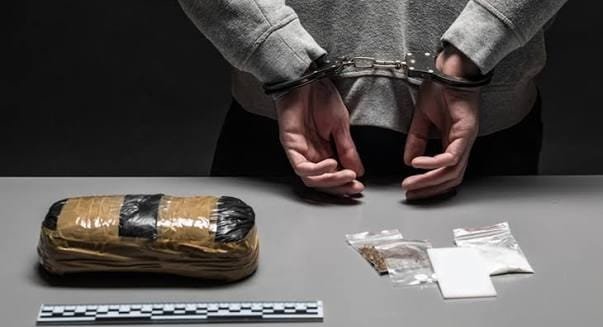
Charges Begin With Facts
Drug accusations rarely turn on labels alone. Police must connect a substance to conduct, knowledge, and lawful collection. Anyone facing drug possession or trafficking charges should examine the following before any plea discussions begin:
- Where officers found items
- Who had access
- Whether lab work supports the charge
- How each report describes intent, possession, or alleged transfer
Possession Requires More Than Proximity
Standing near drugs does not always prove legal control. Prosecutors usually need facts showing awareness plus the ability to manage the item. A shared vehicle, borrowed bedroom, or crowded apartment can leave room for real uncertainty. Defense review may focus on fingerprints, ownership records, body-camera footage, and inconsistent officer notes.
Trafficking Claims Need Intent Proof
Trafficking allegations often rest on the quantity, packaging, cash, messages, scales, or travel patterns. None of those facts speaks for itself. A large amount may have another explanation. Digital messages can be incomplete or misread. An effective review separates suspicion from proof and asks whether the state can show sale, delivery, transfer, or planned distribution.
Searches Can Decide Cases
Many drug arrests begin during traffic stops, home entries, luggage checks, or pat-downs. Officers must follow rules for warrants, consent, probable cause, and reasonable suspicion. If a search went beyond legal limits, the defense may ask a judge to suppress evidence. Losing key proof can change negotiations, reduce charges, or weaken the case before trial.
Lab Results Matter
Field tests are quick screening tools, not science (or a final decision). Certified lab work should identify the substance and measure weight, but records still need review. Chain of custody, sample handling, analyst notes, and testing methods may expose weak points. Weight matters because charge levels and sentencing ranges often depend on precise measurements.
Statements Can Create Risk
People often speak as they want to explain, correct, or reduce the pressure brought on by a specific situation. However, even a short answer can later appear in a report without full context. Police may treat uncertainty as an admission of guilt. The right to remain silent protects against confusion. Legal guidance before questioning helps prevent partial comments from becoming damaging evidence.
Prior Records May Affect Penalties
Criminal history can change sentencing exposure. Prior convictions, probation status, firearm claims, school-zone allegations, or large quantities may increase risk. The filing choice may also affect whether state or federal penalties apply. Early review gives the defense a clearer view of exposure and helps shape goals, including dismissal, reduction, diversion, treatment, or trial.
Evidence Should Be Preserved
Helpful proof can disappear within days. Consider the following scenarios as examples:
- Surveillance video may be deleted
- Witnesses may relocate
- Phone data can become harder to obtain
That’s why defense counsel may seek body-camera clips, dispatch logs, photographs, messages, location records, and nearby camera footage to preserve evidence. Preserved evidence can reveal gaps in police accounts or support a more accurate timeline.
Plea Offers Need Careful Review
A plea may reduce uncertainty, but it can still carry lasting harm. Probation terms, fines, license issues, immigration concerns, and employment barriers deserve close attention. The charge alone does not tell the full story. A fair offer should match the evidence, legal risks, personal goals, and available defenses.
Trial Strategy Depends on Proof
Some cases resolve through negotiation. Others need firm courtroom challenges. Trial strategy may center on unlawful search, weak possession evidence, unreliable witnesses, poor testing, or lack of intent. Jurors need a clear reason to doubt the state’s theory. A focused defense keeps attention on proof, not assumptions.
Choosing Defense Help
Drug cases move quickly, and deadlines matter. A defense lawyer should ask precise questions, inspect reports, request records, and explain the realistic paths available to clients. Local court experience may also help because diversion programs, plea practices, judges, and prosecutors vary by county. Strong representation begins with careful listening, organized investigation, and direct advice.
Conclusion
Drug possession and trafficking charges are serious, but every allegation still depends on admissible proof. Search rules, lab testing, intent evidence, statements, and prior history can alter the path ahead. Early action gives the defense more time to protect rights and secure helpful facts. Arrest paperwork should never be treated as the full story. Careful review may uncover defenses, negotiation value, or trial issues that change the outcome.

Our dedicated team gathers information from all the reliable sources to make the law accessible and understandable for everyone. We provide the latest legal news stories from across the country, delivered straight to you.