
Protected wilderness areas in Pennsylvania preserve forests, wildlife habitats, waterways, and natural landscapes for public enjoyment and environmental protection. Littering in these areas can damage ecosystems, harm animals, create safety hazards, and reduce the quality of natural resources. Yes. It is illegal to litter on protected wilderness land in Pennsylvania because state and park regulations prohibit leaving trash, waste, or other debris in protected natural areas. Violations may result in fines, penalties, and other legal consequences.
The specific penalties depend on where the littering occurs, the amount of waste involved, and the rules governing that particular protected area.
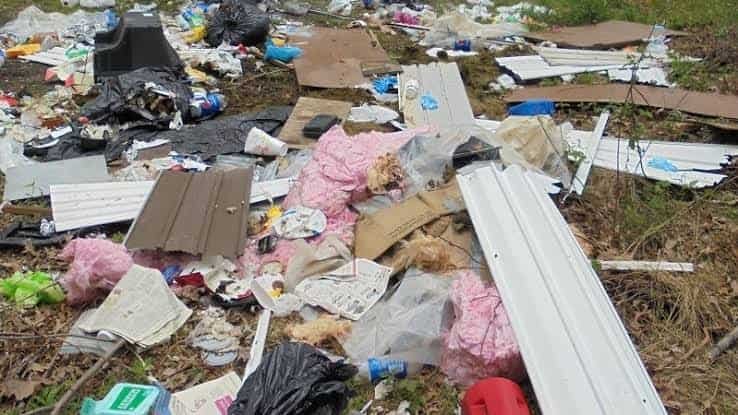
Why Is Littering in Wilderness Areas Prohibited?
Wilderness areas are protected because they contain valuable natural resources.
Litter can cause:
- Injury to wildlife.
- Pollution of streams and forests.
- Damage to vegetation.
- Attraction of unwanted animals.
- Unsafe conditions for visitors.
Even small amounts of trash can negatively affect fragile ecosystems.
What Counts as Littering?
Littering generally includes leaving unwanted materials in areas where they do not belong.
Examples may include:
- Food wrappers.
- Plastic bottles.
- Cans.
- Paper waste.
- Cigarette butts.
- Camping materials.
- Household or commercial waste.
Leaving items behind after hiking, camping, or visiting a protected area may be considered littering.
Pennsylvania Rules on Littering in Protected Areas
Pennsylvania regulates littering through environmental, park, and public land management rules.
Protected areas may include:
- State parks.
- State forests.
- Wildlife management areas.
- Other conservation lands.
Visitors are generally required to carry out their waste and follow posted rules regarding trash disposal.
Are Campers Allowed to Leave Organic Waste?
Generally, no.
Natural areas may have specific rules about food scraps and waste disposal.
Even organic waste such as:
- Fruit peels.
- Leftover food.
- Cooking waste.
can attract wildlife and disrupt natural behavior.
Campers should follow “leave no trace” principles and properly dispose of all waste.
What Happens If Someone Litters on Protected Land?
A person caught littering may face consequences such as:
- Fines.
- Citations.
- Cleanup requirements.
- Additional penalties under park rules.
The seriousness of consequences may depend on:
- The amount of litter.
- Environmental damage caused.
- Whether the violation was intentional.
- The location of the offense.
Large-scale dumping may result in more serious enforcement.
Can Someone Report Littering in Wilderness Areas?
Yes.
Visitors may report illegal dumping or littering to appropriate authorities.
Reports may involve:
- Trash dumping.
- Abandoned waste.
- Pollution of natural areas.
- Damage to protected resources.
Authorities may investigate and take enforcement action.
Are Businesses Treated Differently for Dumping Waste?
Yes.
Businesses and organizations may face stricter consequences if they dispose of waste illegally on protected land.
Commercial dumping may involve:
- Environmental violations.
- Waste disposal violations.
- Cleanup obligations.
- Higher penalties.
Companies are generally required to use approved waste disposal methods.
Common Misunderstandings
Several misconceptions exist about wilderness littering.
One common misunderstanding is that leaving biodegradable items is harmless. Food waste can still affect wildlife and ecosystems.
Another misconception is that small pieces of trash do not matter. Small items such as plastic pieces and cigarette filters can create long-term environmental harm.
Some people also believe that remote areas do not have littering rules. Protected wilderness areas often have strict requirements because they are environmentally sensitive.
What Should Visitors Do to Avoid Littering?
Visitors should:
- Pack out all trash.
- Use designated disposal areas.
- Avoid leaving food behind.
- Follow park rules.
- Respect wildlife and natural resources.
Responsible recreation helps preserve protected lands.
Why Legal Advice Is Important
Littering violations involving protected land may involve environmental laws, park regulations, and public land rules.
A qualified Pennsylvania environmental attorney can explain applicable regulations, assist with disputes, and provide guidance when enforcement actions occur.
Legal advice may be especially important for businesses, organizations, or individuals facing significant penalties.
Conclusion
Littering on protected wilderness land in Pennsylvania is illegal because natural areas require protection from pollution and human waste. Leaving trash, dumping materials, or abandoning waste can harm wildlife, damage ecosystems, and result in fines or other penalties. Visitors should follow responsible recreation practices and remove all waste to help protect Pennsylvania’s wilderness areas.
FAQs
Q: Can I be fined for dropping trash in a Pennsylvania wilderness area?
A: Yes. Littering violations may result in fines or citations.
Q: Are food scraps considered litter?
A: Yes, in many protected areas, leaving food waste can violate rules and attract wildlife.
Q: Can I leave biodegradable items in the forest?
A: Generally, no. Visitors should remove all waste and follow local guidelines.
Q: Who enforces littering rules in protected areas?
A: Park officials, conservation authorities, and other enforcement agencies may enforce these rules.
Q: What should I do if I see illegal dumping?
A: Report it to the appropriate park or environmental authorities.

Our dedicated team gathers information from all the reliable sources to make the law accessible and understandable for everyone. We provide the latest legal news stories from across the country, delivered straight to you.