
Hazardous materials are used in many industries, businesses, and facilities across Pennsylvania, but improper storage can create serious risks to people, property, and the environment. Spills, leaks, and accidental releases can contaminate soil, groundwater, and nearby communities. Yes. It is generally illegal to store hazardous materials without proper containment in Pennsylvania because state and federal regulations require hazardous substances to be stored safely to prevent pollution, injuries, and environmental damage. Failing to use appropriate containment measures may result in fines, enforcement actions, cleanup requirements, and other legal consequences.
The specific requirements depend on the type of hazardous material, the quantity stored, the location, and the regulations that apply to the facility or individual.
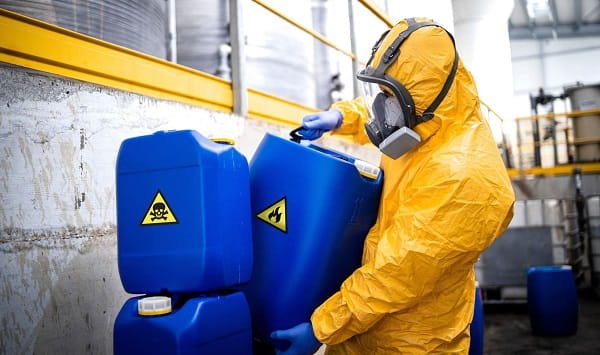
What Are Hazardous Materials?
Hazardous materials are substances that may pose risks because they are:
- Toxic.
- Flammable.
- Corrosive.
- Reactive.
- Environmentally harmful.
Examples may include:
- Industrial chemicals.
- Fuel products.
- Solvents.
- Pesticides.
- Certain cleaning chemicals.
- Hazardous waste materials.
Different materials require different storage methods based on their characteristics.
Why Is Containment Required?
Containment systems help prevent hazardous substances from escaping into the environment.
Proper containment may include:
- Secondary containment systems.
- Leak-proof storage containers.
- Spill prevention equipment.
- Proper labeling and handling procedures.
- Secure storage areas.
These measures reduce risks from accidental spills and releases.
Pennsylvania Regulation of Hazardous Material Storage
Pennsylvania regulates hazardous material handling through environmental and safety laws administered by agencies such as the Pennsylvania Department of Environmental Protection (DEP).
Regulations are designed to:
- Prevent contamination.
- Protect public health.
- Reduce environmental hazards.
- Ensure responsible chemical management.
- Control hazardous waste disposal.
Businesses handling regulated materials may have additional compliance obligations.
Can Businesses Store Hazardous Materials Without Containment?
Generally, no.
Businesses and industrial facilities that store hazardous materials must follow applicable safety and environmental requirements.
They may need to:
- Use approved containers.
- Maintain spill prevention plans.
- Inspect storage areas.
- Train employees.
- Report certain releases.
Failure to meet these requirements can create legal violations.
What Happens If Hazardous Materials Leak?
A leak or spill from improperly stored hazardous materials may result in:
- Environmental contamination.
- Emergency response actions.
- Cleanup obligations.
- Government investigations.
- Civil penalties.
- Criminal charges in serious cases.
The consequences may depend on:
- The type of material released.
- The amount spilled.
- The environmental impact.
- Whether the release was intentional.
- Whether required reporting occurred.
Are Homeowners Also Subject to Hazardous Material Rules?
Yes, but requirements may differ.
Individuals may store certain household chemicals, fuels, or other materials, but they should follow safe storage practices.
Problems may arise when someone:
- Stores large quantities.
- Creates a safety hazard.
- Causes environmental contamination.
- Improperly disposes of hazardous substances.
Local rules may also apply.
Are There Federal Hazardous Material Storage Requirements?
Yes.
Federal laws may apply to hazardous substances through regulations involving:
- Environmental protection.
- Workplace safety.
- Emergency planning.
- Hazardous waste management.
Facilities may need to comply with both Pennsylvania and federal requirements.
Can Residents Report Improper Hazardous Material Storage?
Yes.
Residents may report suspected hazardous material violations involving:
- Chemical leaks.
- Strong chemical odors.
- Unsafe storage conditions.
- Contamination risks.
- Improper disposal practices.
Environmental authorities may investigate complaints and require corrective action.
Common Misunderstandings
Several misconceptions exist about hazardous material storage.
One common misunderstanding is that containment is only required for large factories. Smaller businesses and individuals may also have responsibilities depending on the materials and quantities involved.
Another misconception is that sealed containers alone are always enough. Some hazardous materials require additional protection, such as secondary containment systems.
Some people also believe that storing hazardous materials on private property eliminates legal responsibility. Environmental and safety rules can apply regardless of ownership.
What Should Someone Do Before Storing Hazardous Materials?
Before storing hazardous materials, individuals and businesses should:
- Identify the material’s hazards.
- Use approved containers.
- Follow storage requirements.
- Maintain spill prevention measures.
- Check applicable regulations.
Proper planning can prevent accidents and legal problems.
Why Legal Advice Is Important
Hazardous material storage issues may involve environmental law, workplace safety rules, chemical regulations, and government enforcement procedures.
A qualified Pennsylvania environmental attorney can evaluate whether storage practices comply with applicable laws, assist with regulatory matters, and help address contamination disputes.
Legal advice is especially important when spills, investigations, fines, or environmental damage are involved.
Conclusion
Storing hazardous materials without proper containment in Pennsylvania is generally illegal because environmental and safety regulations require hazardous substances to be managed in a way that prevents spills, contamination, and harm. Businesses and individuals must follow applicable storage requirements based on the materials involved. Failure to use appropriate containment measures may result in fines, cleanup obligations, and other legal consequences.
FAQs
Q: Can a business store chemicals without secondary containment in Pennsylvania?
A: Generally, no. Many hazardous materials require appropriate containment measures to prevent releases.
Q: Are homeowners affected by hazardous material storage laws?
A: Yes. Homeowners must also handle and store hazardous substances safely.
Q: What happens if hazardous materials contaminate groundwater?
A: The responsible party may face cleanup requirements, penalties, and legal liability.
Q: Who regulates hazardous material storage in Pennsylvania?
A: State and federal environmental and safety agencies may regulate hazardous material storage.
Q: Can improper hazardous material storage be reported?
A: Yes. Suspected violations can be reported to appropriate environmental or safety authorities.

Our dedicated team gathers information from all the reliable sources to make the law accessible and understandable for everyone. We provide the latest legal news stories from across the country, delivered straight to you.