
Jackson’s roads serve a mix of local commuters, commercial vehicles, and long-distance truck traffic, making road safety a concern for everyone who shares them. When a collision involves a commercial truck, the consequences can reach far beyond the damage at the scene. Victims may face lengthy medical treatment, time away from work, and uncertainty about who should be held responsible. These cases can also raise questions about the trucking company, vehicle ownership, driver supervision, and insurance coverage.
Unlike a typical car accident claim, a truck crash often requires a closer look at the rules governing commercial carriers and their responsibilities. Knowing how those rules apply can make a real difference when building a claim and protecting the injured person’s interests. For those seeking legal support, Diaz Law Firm can help examine the circumstances of a truck collision and determine why experienced legal guidance matters when carrier-related issues shape the path to compensation.
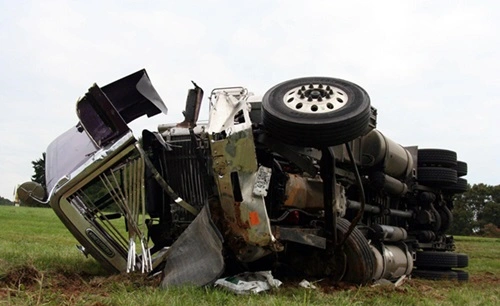
Carrier Rules Shape the Evidence
A commercial truck case requires attention to records that do not exist in a typical passenger-car claim. Investigators can review driver logs, electronic logging device data, inspection records, maintenance files, cargo documentation, and trip-related communications.
For a collision, a law firm can review evidence tied to the crash, identify the parties involved, and assess whether company practices contributed to the injuries. The work focuses on facts that support a liability claim rather than relying only on the accident report. It also helps distinguish ordinary roadway mistakes from conduct tied to commercial operations.
Driver Conduct is Only One Issue
A truck driver can cause a collision through speeding, distraction, fatigue, unsafe lane changes, or another careless act. Yet the driver is not necessarily the only responsible party.
The carrier, vehicle owner, maintenance provider, cargo loader, or another party can face liability when its conduct contributed to the crash. A lawyer familiar with carrier law can trace those relationships and examine which duties applied to each participant. That review can also clarify whether responsibility rests with one party or several.
Trucking Records Can Change Claims
Physical evidence can disappear quickly after a wreck. Company records also become harder to obtain as time passes, so a claim needs a focused evidence plan.
Useful records can include electronic logs, inspection reports, repair histories, dispatch messages, cargo records, photographs, witness accounts, and video. Comparing those sources can reveal inconsistencies, such as a timeline that does not match the driver’s recorded activity or a load that was prepared unsafely. Those conflicts can affect how fault is evaluated and which records deserve closer review.
Insurance Issues Require Separate Review
Truck crashes can involve several layers of insurance coverage, depending on ownership, leasing, contracting, and the roles of the businesses involved. The first policy identified is not necessarily the only one that matters.
A lawyer can examine policy documents alongside contracts and ownership records to determine which coverage relates to the collision. This review also helps prevent a claim from being limited to the first insurer that responds after the crash. Consider policy language, contracts, and the truck’s ownership history together.
Liability Can Extend Beyond the Vehicle
A carrier law analysis looks at how the truck entered service, who controlled the driver, and who handled the freight. Those facts can point toward different liability theories.
A company responsible for hiring, supervision, maintenance, or cargo handling can become relevant when its conduct contributed to the accident. The claim should connect each alleged act to evidence of the crash, rather than simply naming every party connected to the truck. A clear chain between conduct, collision, and injury makes the liability theory easier to test.
Damages Need a Complete Record
Truck collisions can produce substantial medical expenses, lost income, property damage, and lasting physical or emotional effects. A damages analysis needs records that connect each claimed loss to the crash.
Medical bills, treatment records, wage documentation, repair estimates, and information about future care can help establish the amount sought. A complete file also gives the lawyer a clearer basis for evaluating settlement discussions and identifying gaps that need attention.
Early Case Strategy Protects Evidence
A strong truck crash claim starts before critical evidence is lost. Preserving the crash scene, securing photographs, identifying witnesses, and requesting relevant trucking records can prevent avoidable disputes later.
The case file should also track medical treatment and work restrictions while events are still recent. A lawyer who understands carrier law can build the evidence around the trucking operation itself, which is where records about driver activity, vehicle condition, loading, and supervision become decisive.
Conclusion
A truck crash claim can turn on records and relationships that are easy to miss in a standard motor vehicle case. The practical next step is to have the evidence reviewed with carrier operations, trucking records, insurance coverage, and each participant’s responsibilities in view. That approach helps identify the real liability issues before valuable evidence becomes harder to obtain quickly.

Our dedicated team gathers information from all the reliable sources to make the law accessible and understandable for everyone. We provide the latest legal news stories from across the country, delivered straight to you.