
This article explains consumer digital privacy rights in 2025, key legal protections, AI-related risks, and practical steps to safeguard personal data and respond to misuse effectively.
Introduction
In 2025, an important aspect of technology that will integrate into daily lives is living online, including online banking, shopping, and social networking sites, which means that personal information is at its most vulnerable point in history. Over the years, one aspect concerning technology, particularly experts in the field, is safety and privacy when online.
The current issue is focused on the technology advances that are driving the creation, use, and misuse of personal consumer information and how this change is creating issues for consumers in general. The consumer’s digital privacy rights in 2025 will be violated for many reasons, and consumers currently have little awareness of their digital rights.
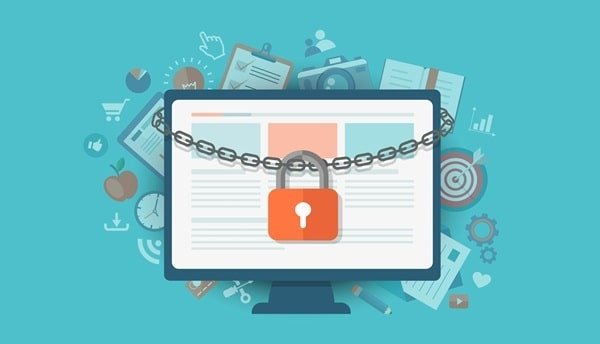
This article will educate consumers as to their digital privacy rights in 2025, how their rights will be violated, and what steps to take if they are a victim of a violation or to seek a legal professional, such as a cyber crime attorney, when needed.
The Legal Framework: What Protects You?
The consumer’s digital privacy rights will be based on the principle of giving consumers control over the collection, processing, and distribution of personal information that has been collected about them. As the legal landscape continues to develop, there is an increasing amount of accountability on the part of businesses for processing consumer information in accordance with the law.
Moreover, embedded within this structure is the concept of consent and transparency. This implies that companies should be open with their end-users about the information for which data collection has been initiated, with how much of it, and for how long it would be archived. This consent must be specific, informed, and revocable, allowing consumers to withdraw it if they find it uncomfortable to be processed.
In addition to this, consumers are afforded key legal rights that empower data protection: the right to access personal information; the right to correction of inaccurate information; the right to request erasure in specific situations; and the right to a legal cure in case of misuse or breaches. In cases where such rights have been infringed upon, one can file a complaint of cyber crime or reach out to a cyber crime lawyer in order to understand legal options and enforcement mechanisms.
The AI Factor: Where the Risk Lies
Artificial Intelligence has re-ordered how data is collected, analyzed, and acted upon, creating new privacy risks that many consumers are uninformed about. As the AI systems increasingly influence decisions about individuals, it becomes crucial to understand where these risks lie.
AI-driven automated decision-making often depends on large quantities of personal data to evaluate behavior, preferences, and risk profiles. Such systems could make decisions about credit, employment, insurance, or content visibility that may not be subject to meaningful human review, thus making it difficult to challenge errors or bias.
Another area of concern that ought to be addressed is that data scraping is used as a method of training AI algorithms. API-accessible data from websites and social media sites as well as other sources on the Internet has been exploited by companies who have used data scraping techniques to collect this data for resale. Companies that sell this type of data have created confusion about ownership and storage of the data as well as about the security of the data that they collect from consumers.
Integrating behavioral data, predictive data analysis and AI driven analytics increases the potential for companies to create highly targeted advertising, messaging or influencing campaigns. Utilizing these types of campaigns may be successful in influencing decision-making; however, the risk of perpetuating biases, reducing consumer’s ability to control how their personal data is used in a virtual environment is also increased.
Practical Legal Help for Consumers
To help protect Consumer Digital Privacy rights, consumers need to have information that will help them understand how to convert their legal rights into a practical level of awareness. Below are some examples of how consumers can educate themselves about their potential for privacy threats:
- Monitoring your online presence will help consumers understand what their online presence consists of, where it is stored and how visible it is on social networking sites, applications and Web browsers.
- You have to check app and website permissions that request access to your location, contacts, camera and microphone to ensure they have a valid reason for requesting that access and revoke access to permissions that do not seem necessary or that you did not approve of (i.e. excess permissions).
- Make sure to read the Privacy Policies carefully for information on how to collect, use, share, maintain, and use your data for advertising purposes, for profiling you for advertising purposes, and for Training AI.
- Be aware of vague consent statements used by many platforms to allow their use of data for Business Purposes and/or Service Improvements without providing a specific explanation of what is meant.
- Be aware of red flags like Policy Changes with no notice, Popups that force consent, or no option to opt out of sharing your data or Targeted Advertising.
- If you believe that your information is being misused, document everything, report the incident on the platform, file a Cyber Crime Complaint or consult a Cyber Crime Lawyer for legal help if you feel that you need such assistance.
Compliance for Small Businesses & Startups
For small businesses and startups, digital privacy compliance is not just a legal requirement but a trust-building practice that protects both customer data and business reputation. The following points highlight essential compliance measures to follow:
- Practice data minimization by collecting only the personal information that is strictly necessary for business operations and avoiding long-term storage of unused or outdated data.
- Define a clear data breach protocol that outlines immediate response steps, internal reporting responsibilities, customer notification timelines, and coordination with legal or cybersecurity experts.
- Maintain proper vendor management by assessing how third-party service providers collect, store, and process data on your behalf, ensuring they meet applicable privacy and security standards.
- Use written data processing agreements with vendors to clearly define data ownership, usage limits, breach responsibilities, and confidentiality obligations.
- Limit internal data access so only authorized personnel can handle sensitive information, reducing the risk of accidental leaks or misuse.
- Review compliance practices periodically to stay aligned with evolving digital privacy laws, regulatory guidance, and emerging cybersecurity risks.
Conclusion
In conclusion, understanding digital privacy rights empowers consumers to take control of how their personal data is collected, used, and shared in an increasingly connected world. Key rights such as informed consent, access to personal data, correction of inaccuracies, data portability, and the right to seek redress in case of misuse form the foundation of consumer protection in 2025. Being aware of these rights helps individuals identify violations early, respond effectively to data breaches, and make informed choices while using digital platforms and services.
Looking ahead, the future of digital privacy will be shaped by stronger regulations, greater accountability for organizations, and the growing influence of artificial intelligence on data processing. As technology evolves, consumers must stay informed, cautious, and proactive about their digital footprint. At the same time, businesses and regulators are expected to adopt more transparent and responsible data practices, ensuring that privacy remains a core element of trust in the digital ecosystem.

Our dedicated team gathers information from all the reliable sources to make the law accessible and understandable for everyone. We provide the latest legal news stories from across the country, delivered straight to you.