
Understanding your rights in a family law case can help you make clear decisions and protect yourself during a stressful time. Family law covers issues like divorce, child custody, support, and protection orders. Many people feel confused about the legal process, but knowing your rights early can prevent mistakes that affect your future.
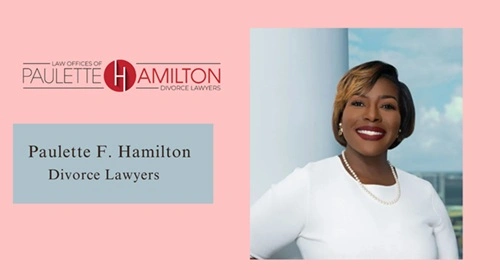
Family law rights are meant to ensure fairness, safety, and stability. These rights apply no matter how complex your situation may be. In many cases, people do not realize how the law protects them until they meet an attorney who explains each step. This is where guidance from experienced professionals such as Paulette F. Hamilton can make a significant difference in how confidently someone faces their case.
What Basic Rights Do You Have in a Family Law Case?
Most people involved in a family law matter share similar rights, even though every situation is unique. Some of the most important rights include:
- The right to fair notice of all hearings
- The right to present evidence and tell your side of the story
- The right to legal representation
- The right to appeal certain decisions
- The right to protection if you face domestic violence
- The right to seek financial support for yourself or your child
These rights are designed to make sure the legal system treats all parties fairly. Understanding them helps you stand on stronger ground when negotiating or appearing in court.
Why Is It Important to Understand Child Custody Rights?
Child custody decisions can affect a child’s long-term emotional and physical well-being. Courts generally use the “best interest of the child” standard. According to the U.S. Department of Health & Human Services, this standard looks at factors such as the child’s safety, emotional needs, and each parent’s ability to provide care.
Key custody rights include:
- The right to seek joint or sole custody
- The right to request parenting time
- The right to challenge unsafe conditions
- The right to ask the court to modify orders if circumstances change
Parents should understand that custody is not about winning or losing; it is about creating a stable plan for the child.
How Paulette F. Hamilton Supports Clients in Family Law Matters
Paulette F. Hamilton brings a thoughtful, client-focused approach to family law cases. She helps individuals understand how their rights apply to real-life situations. At PH Law, she assists clients with divorce, custody, support, and protective orders, emphasizing clear explanations and practical guidance. She recognizes that family law cases are not just legal disputes but deeply personal matters requiring careful attention and respect.
By explaining legal options and court procedures, Paulette F. Hamilton helps clients feel prepared and less overwhelmed. She focuses on ensuring that individuals understand their rights at each stage of a case, whether negotiating agreements or preparing for court. This guidance is especially important when emotions run high and decisions carry long-term consequences for families and children.
What Should You Know About Financial Rights in Divorce?
Money is often one of the most confusing issues in a divorce. Your rights may include:
- The right to marital asset division
- The right to request spousal support (alimony)
- The right to child support if you are the primary caregiver
- The right to full financial disclosure from the other party
Courts review income, expenses, length of marriage, caregiving duties, and future earning ability when making support decisions.
How Can You Protect Your Rights During the Legal Process?
You can take several simple steps to protect yourself throughout your case:
- Document everything: Keep records of conversations, payments, schedules, and incidents.
- Stay informed: Read court documents carefully and ask questions when you do not understand something.
- Follow court orders: Even temporary orders must be followed until a judge changes them.
- Prepare for hearings: Bring all required documents, evidence, and notes.
- Seek legal advice: Family law can be complex, and guidance helps prevent avoidable mistakes.

Our dedicated team gathers information from all the reliable sources to make the law accessible and understandable for everyone. We provide the latest legal news stories from across the country, delivered straight to you.