
 By Satyakam
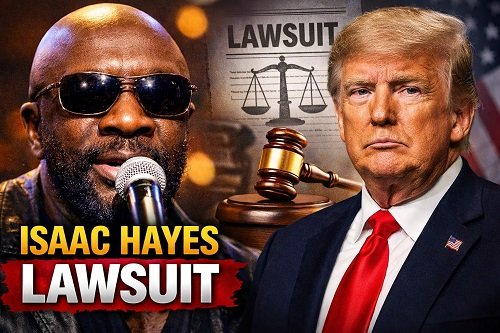
 The Isaac Hayes lawsuit is trending again because of a recent settlement announcement involving the late singer’s estate and Donald Trump, who is currently serving as President of the United States.
While the case itself began earlier, it returned to headlines after confirmation that the long-running legal dispute has officially been resolved. That closure is what sparked fresh attention across news platforms and social media.
What Triggered the Trend
The lawsuit centered on the use of Hayes’ classic song “Hold On, I’m Coming” at political rallies and campaign events. The Hayes estate claimed the song was played repeatedly without permission or proper licensing, and that the family did not want the music associated with a political campaign.
Although the legal battle started in 2024, the final settlement news came out recently, bringing the case back into public discussion. Once a settlement is confirmed, especially in a high-profile case, it often reignites interest — and that’s exactly what happened here.
Why People Are Paying Attention Now
There are a few reasons this story picked up momentum again:
First, the case involved a globally known music legend and a sitting president, which naturally draws attention. Any legal dispute tied to the White House tends to trend quickly, even when it’s civil rather than criminal.
Second, the lawsuit touched on artists’ rights and political use of music, a topic that has become more sensitive over the years. Many musicians and estates have publicly objected to their songs being played at political events without consent, and this case became one of the most visible examples.
Third, the fact that the lawsuit ended in a settlement rather than a trial made it newsworthy. Settlements often signal that both sides want closure, and people are curious about what that means — even when the exact terms aren’t made public.
What the Settlement Means
The settlement officially ends the dispute. The case has been dismissed and cannot be refiled. While financial details were not disclosed, the Hayes family stated they were satisfied with the outcome and emphasized that the case was about respecting creative ownership and legacy, not just money.
Importantly, this lawsuit had nothing to do with wrongdoing by Isaac Hayes himself. It was entirely about how his music was used after his death and who has the right to decide where and how it’s played.
Why It’s Still Being Talked About
In simple terms, the story is trending now because:
● A long-running lawsuit has finally been closed
● It involves a legendary artist and a sitting president
● It raises broader questions about copyright, consent, and political messaging
When those elements come together, even an older case can suddenly feel very current again.

Satyakam Pradhan is a professional law content writer with extensive experience in creating clear, well-researched, and reader-friendly legal content. With a strong understanding of laws and legal procedures.