
Most people think you only need a lawyer when someone else hits you. But what if the accident was all on you—just your car, the road, and a bad moment? That’s where things get tricky. Single-vehicle accidents might seem simple, but they can be anything but. One small detail can change everything about who’s really responsible, how insurance pays out, and whether you’re facing unexpected blame.
Maybe it was a slick road. Maybe a tire blew. Maybe a deer jumped out of nowhere. Whatever the cause, you’re still left with questions and sometimes a pile of medical bills or property damage. Before assuming it’s all your fault or that insurance will handle it reasonably, it’s wise to pause and consult with someone who understands how the system works.
A lawyer can help analyze your case and discuss your rights in ways you might not even realize you have. They’ll dig into the details—road conditions, maintenance records, vehicle defects—and uncover angles that could protect you from unnecessary costs or liability.
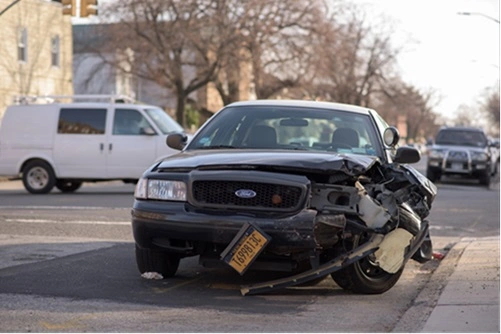
The truth is, “just one car” doesn’t mean “just your problem.” And understanding that early on can make all the difference.
Why Legal Help Matters After a Single-Vehicle Crash
You might assume you don’t need a lawyer if no one else was involved. But single-vehicle accidents often raise legal and financial issues you can’t predict. Insurance companies may still question what happened, and sometimes, the cause isn’t fully in your control.
1. Liability Isn’t Always Clear
In many states, liability laws don’t automatically blame the driver just because they were alone. For example, under negligence law (Restatement (Second) of Torts §283), fault depends on whether a driver acted as a “reasonable person” would in the same situation. If your brakes failed or a poorly maintained road caused you to swerve, that’s not negligence.
A lawyer can collect the evidence needed to prove this:
- Photos of road hazards or faulty guardrails
- Vehicle maintenance records
- Expert reports on tire or brake defects
Without this evidence, insurance companies may label you “at fault” by default—raising your premiums or denying coverage entirely.
2. Dealing With Insurance Adjusters
Insurance companies protect their bottom line, not yours. They may argue you were speeding or distracted, even when the facts don’t support it.
A lawyer helps you:
- Prepare a statement that won’t be used against you
- Demand fair compensation under your collision or medical coverage
- Challenge lowball settlements
In some states, like California, Insurance Code §790.03(h) makes it illegal for insurers to misrepresent policy terms or delay payment unreasonably. Still, these laws don’t enforce themselves—you’ll need someone to push back.
3. When Injuries Complicate Things
Even a minor crash can lead to whiplash or back injuries that appear days later. If you report them late, insurers may claim they’re unrelated. A lawyer can connect you with medical experts, document your injuries properly, and make sure your claim includes future treatment costs.
Quick tip:
- Keep every medical receipt, even small ones.
- Don’t post about the crash on social media—insurers monitor that.
- Get written medical opinions instead of verbal updates.
4. Possible Third-Party Fault
Sometimes, other parties share responsibility even if no one else was on the road:
- Local government: for unmarked hazards, broken signals, or missing warning signs.
- Vehicle manufacturer: for defective airbags or steering systems.
- Construction contractors: for debris or unsafe work zones.
Laws like the Federal Tort Claims Act (28 U.S.C. §1346) and various state tort statutes allow claims against government entities when negligence contributes to your crash.
5. Protecting Yourself Legally
Police reports don’t always tell the full story. If you face reckless driving charges or license penalties, a lawyer can challenge those findings. They can also represent you in court or negotiate reduced penalties under traffic laws specific to your state.
Bottom Line
Hiring a lawyer after a single-vehicle accident isn’t about blaming someone else—it’s about protecting yourself. Even when it feels like “just bad luck,” a lawyer can uncover causes you never considered and make sure you’re treated fairly under the law.
Quick Recap
- Liability isn’t always clear: Road hazards, mechanical issues, or poor maintenance can shift fault away from you.
- Insurance adjusters aren’t neutral: Lawyers help prevent misstatements and fight unfair payouts.
- Injuries take time to show: Legal help ensures medical evidence supports your claim.
- Third parties may share fault: Defective parts or unsafe roads can make others responsible.
- Legal protection matters: A lawyer can challenge traffic citations, protect your record, and secure fair treatment.
Even in a single-vehicle crash, the story isn’t as simple as it looks—and the right lawyer can make sure it’s told accurately.

Our dedicated team gathers information from all the reliable sources to make the law accessible and understandable for everyone. We provide the latest legal news stories from across the country, delivered straight to you.