
In the United States, the idea of being jailed for unpaid debts sounds like something from the 19th century. After all, “debtor’s prisons” were abolished in the early 1800s. The U.S. Constitution and federal law protect citizens from being imprisoned simply because they owe money. However, in practice, certain modern legal loopholes and state enforcement mechanisms can still result in people being jailed over debt-related issues. The key lies in understanding why and how jail time can occur—not for the debt itself, but for failing to follow court orders connected to it.
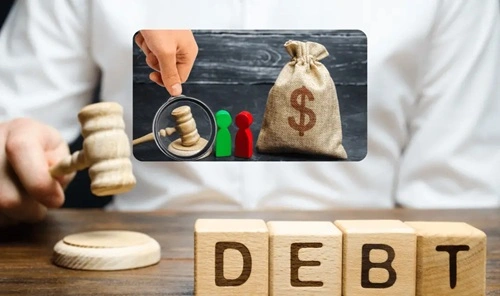
You Can’t Be Jailed for Owing Money—But You Can Be for Ignoring the Court
Under federal law, no one can be jailed solely for being unable to pay a private debt, such as credit cards, medical bills, or personal loans. The Fair Debt Collection Practices Act (FDCPA) and various state consumer protection laws prohibit creditors from threatening jail time over unpaid debts.
However, if a creditor sues you for a debt, wins the case, and a court orders you to pay—or appear in court for a hearing related to your debt—failing to comply with that court order can lead to a contempt of court charge. That’s when jail becomes a possibility.
So, while you can’t go to jail for debt itself, you can go to jail for disobeying a court order connected to that debt.
How People End Up in Jail Over Debt
Here’s how it often happens:
1. A creditor sues for unpaid debt.
2. The debtor misses court hearings or fails to respond to legal notices.
3. The court issues a judgment against the debtor.
4. The creditor seeks a debtor’s examination or payment hearing—a proceeding where you must disclose your income and assets.
5. If you ignore the summons, the judge may issue a bench warrant for your arrest for contempt of court.
Once arrested, you may have to pay a bond or “purge” amount—often equal to the debt or part of it—to be released. This effectively means people can be jailed because they couldn’t pay in the first place, even though the Constitution prohibits debtor’s prisons.
States Where Jail for Debt Still Happens
While no state officially has laws allowing imprisonment for debt, some states indirectly allow jail time through aggressive court enforcement. According to research from the American Civil Liberties Union (ACLU) and various state legal aid organizations, people have been jailed for debt-related contempt in several states, including:
- Minnesota – Judges can issue arrest warrants for failing to appear at debt hearings.
- Illinois – Debtors who skip court-ordered payment hearings risk arrest.
- Ohio – Nonappearance in debt collection cases can trigger jail time.
- Texas – While you can’t be jailed for consumer debt, you can be arrested for failing to appear in court or ignoring orders related to child support, taxes, or fines.
- Indiana, Missouri, and Alabama – Courts have jailed debtors for missing hearings or failing to comply with judgments.
Even though these states don’t call them “debtor’s prisons,” the result can feel similar—people are detained because they couldn’t pay what they owed or because they missed a court date connected to that debt.
Exceptions: When Jail for Debt Is Legal
There are limited circumstances where unpaid debts can legally lead to jail:
- Unpaid Child Support – Failing to pay court-ordered child support is considered contempt of court, and jail time is a common enforcement tool.
- Unpaid Taxes – Tax evasion or willful failure to pay taxes can result in federal prison.
- Court Fines or Restitution – Not paying criminal fines or restitution can lead to incarceration.
- Fraudulent or Criminal Debt – If the debt stems from fraud, theft, or other crimes, jail may be part of the punishment.
These are not civil debts but legal obligations, which the courts treat differently.
Protecting Yourself from Debt-Related Jail Risks
If you receive a court summons or notice related to debt, never ignore it. Always appear in court, even if you can’t pay the debt. Missing a hearing is what most often leads to arrest. You also have the right to:
- Request a payment plan or hardship exemption.
- Seek legal aid or a consumer rights attorney.
- File for bankruptcy protection if you’re overwhelmed by debt.
Nonprofit legal aid organizations in most states can help you navigate the system and avoid jail time.
Final Thoughts
While no one should go to jail simply for owing money, the reality is that many Americans still face arrest over debt-related court actions. States like Minnesota, Illinois, Ohio, and Texas have all seen cases where people were jailed—not for the debt itself, but for missing hearings or failing to follow court orders.
The bottom line: you can’t go to jail for being broke, but you can go to jail for ignoring the legal process tied to your debt. Understanding your rights, responding promptly to court notices, and seeking legal help can prevent a financial issue from turning into a criminal one.
In the eyes of the law, compliance and communication can make all the difference between financial hardship and incarceration.

Our dedicated team gathers information from all the reliable sources to make the law accessible and understandable for everyone. We provide the latest legal news stories from across the country, delivered straight to you.