
Truck accidents in North Carolina remain a serious contributor to personal injury and wrongful death claims due to the size and weight of commercial vehicles. In a recent year, over 5,000 truck-related crashes were reported statewide, leading to over 1,500 injury incidents and a smaller but significant number of fatalities. These collisions often involve passenger vehicles that suffer far greater damage, even at lower speeds, because of the force involved in large commercial transport impacts. Many cases also show that a notable portion of truck crashes occur on major highways where traffic volume and speed increase the severity. Across broader personal injury data, trucking incidents consistently account for a disproportionate share of severe injuries compared to standard passenger vehicle crashes, with outcomes frequently requiring emergency care, surgery, or long-term rehabilitation.
When a trucking collision occurs, company policies become central to how liability is evaluated and how evidence is handled in the aftermath. These policies often govern driver training, vehicle maintenance schedules, inspection routines, and hours of service compliance, all of which can directly influence whether negligence played a role. Insurance coverage in commercial trucking cases is typically more complex, involving multiple layers of corporate and carrier policies that may overlap or conflict. Speaking with a truck accident lawyer in North Carolina at CR Legal can help clarify how these internal rules affect a claim and whether violations contributed to the crash. Legal guidance also assists in identifying responsible parties beyond the driver, such as carriers or maintenance contractors, ensuring that injury claims reflect the full scope of liability and damages.
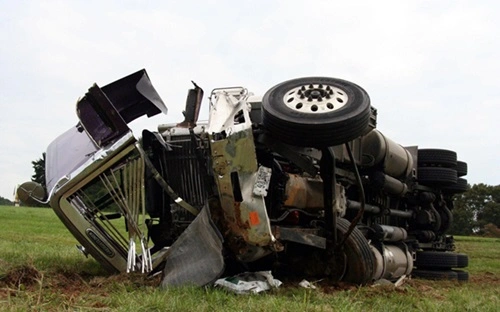
Policies Shape Daily Risk
Every carrier sets limits for speed, rest, upkeep, and contact with dispatch. These rules influence driver judgment during long shifts and crowded travel lanes. A strong safety program can lower risky choices under strain. A weak system may reward haste, missed checks, or overloaded trailers. After a wreck, investigators often review written procedures early, because internal standards show what management accepted before impact.
Why Records Matter
Following a severe crash, families often face trauma, hospital bills, and lost income. Legal review also considers training files, route messages, and repair histories, as those records may reveal wider faults. In many cases, guidance from a truck accident lawyer helps place company policies within a clear sequence, showing whether unsafe internal decisions raised the likelihood of serious harm.
Hiring Standards
A carrier’s hiring process reveals much about its safety culture. Careful screening reviews driving history, license status, prior wrecks, and substance abuse concerns. Weak vetting can place unfit operators behind massive equipment. If a company skipped basic review steps, that lapse may matter after a collision. Courts and insurers may ask whether management ignored warning signs that should have kept a driver off active duty.
Training Rules
Training involves far more than handing over keys. Drivers need instruction on braking distance, blind spots, weather response, cargo balance, and emergency action. Refresher sessions also matter when routes shift or equipment changes. If a company treats teaching as a box to check, errors can multiply quickly. Lesson plans, attendance sheets, and supervisor notes may show whether the employer prepared drivers for real highway conditions.
Hours and Fatigue
Fatigue remains a serious concern in commercial transport. Sleep loss can slow reaction time, narrow attention, and impair lane control in dense traffic. Company policy affects that hazard through delivery quotas, break tracking, and route planning. If dispatch teams push unrealistic schedules, drivers may feel pressure to keep moving. That strain can become central evidence when a crash follows an exhausting run with inadequate recovery.
-
Schedule Pressure
Pressure does not always appear in a formal memo. It may surface through texts, call logs, bonus plans, or repeated late-night dispatch demands. Those patterns can suggest a culture that prized speed over caution. Even if a driver made the final move, a company may still face scrutiny when internal habits encourage unsafe conduct. Small steps or messages sometimes expose serious management failures with broad public consequences.
Maintenance Systems
Large trucks require regular inspection and timely repair. Brake wear, damaged tires, failed lights, and steering defects can turn normal traffic into a catastrophe. A sound maintenance policy sets check intervals, reporting steps, and repair deadlines. Poor systems leave mechanical problems on the road. After a collision, service invoices and mechanic notes may show whether management delayed needed work to save time or protect revenue.
Cargo and Loading
Improper loading can shift weight, lengthen stopping distance, or trigger rollovers during turns. Company rules should address cargo limits, tie-down methods, and balance checks before departure. If a trailer was packed carelessly, the fault may extend beyond the driver. Loading crews, contractors, or supervisors could share blame. This broader picture matters because responsibility can affect compensation, settlement value, and future safety changes across freight operations.
Supervision and Discipline
Policy means little without steady enforcement. A company may publish strict rules while overlooking repeated violations by profitable drivers. Disciplinary records can show whether management corrected speeding, log issues, or failed inspections. If earlier incidents brought no meaningful response, that history may support claims of careless oversight. Consistent supervision protects the public. Empty paperwork protects no one when warning signs were already clear and documented.
Insurance and Liability
Trucking collisions often involve several layers of responsibility. A driver may act carelessly, yet the employer’s internal rules may have set the stage. That distinction matters during insurance disputes. Companies and carriers may try to frame the event as one person’s error. Evidence tied to policy can challenge that account. It may show a system failure, which can widen liability and change settlement discussions.
Public Safety Lessons
These cases matter beyond one lawsuit. When weak policy becomes visible, safer practices can follow across fleets, brokers, and repair shops. Better screening, realistic scheduling, and dependable maintenance checks protect everyone using the same roads. Accountability also sends a plain message to various players in the industry. Safety must begin before departure, inside offices where route plans, staffing decisions, and inspection budgets receive final approval.
Conclusion
Company policies matter because truck collisions rarely arise from chance alone. Behind many wrecks sits a chain of decisions involving hiring, training, fatigue, maintenance, cargo, and supervision. These rules can prevent injury, or they can quietly permit danger to spread across busy highways. After a crash, reviewing policy records helps families, insurers, and courts see the full story. Clear proof of unsafe management can support accountability and encourage safer conduct throughout commercial trucking.

Our dedicated team gathers information from all the reliable sources to make the law accessible and understandable for everyone. We provide the latest legal news stories from across the country, delivered straight to you.