
 By Satyakam
 If you’ve watched renovation shows on HGTV, there’s a good chance you’ve heard about the controversy surrounding “No Demo Reno.” It’s one of those home makeover programs that promised big changes without massive demolition. But behind the cameras, a serious legal dispute has put the show under scrutiny. Let’s break down what the lawsuit is about, where it came from, and why so many people are talking about it.
What Is the “No Demo Reno” Lawsuit?
At its core, the lawsuit revolves around homeowners who took part in the HGTV show “No Demo Reno” and later claimed that the renovation work didn’t match what was shown on television—or what they were promised. The lawsuit was filed by Texas homeowners Joe and Mandy Smith, who appeared on the show and say their renovation experience quickly turned into a nightmare.
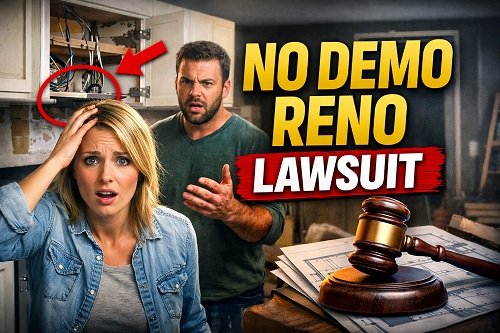
According to court filings, the couple expected a professional, high-quality revamp that didn’t involve major demolition. Instead, they claim there were “more than 90 structural defects, unsafe electrical wiring, gas line problems, and poorly done installations” after the renovation was finished. They say these issues now pose safety risks and have cost them far more in repairs than they ever intended.
The Smiths are seeking around $1.477 million in compensation for the damages, repair costs, and legal fees they’ve had to deal with since the project wrapped. They argue that the show’s team misrepresented both the quality and scope of the renovation work.
Key Allegations in the Case
The lawsuit isn’t just about aesthetic complaints. It touches on a few serious claims that go beyond typical renovation disagreements:
- Unsafe Work and Violations
The Smiths allege that some of the electrical work was done without proper permits and didn’t meet safety codes. They also claim that gas lines weren’t installed correctly, creating potential hazards in their kitchen space. - Poor Workmanship
According to their filing, the renovation included damaged floorboards, rough wall openings, and even improper dishwasher installation that could lead to contamination issues. These claims go beyond cosmetic flaws and hint at fundamental problems with how the project was carried out. - Misuse of Funds
One particularly stark part of the lawsuit alleges that most of the money paid for the renovation didn’t go toward actual construction. The Smiths say only a small portion of their budget was used for real work, with the rest allegedly taken by the production company. - Scripted Reality TV Claims
The homeowners also argue that the show oversells its premise. They say participants are coached on what to say, and the work is rushed to fit TV production schedules, leaving quality behind. While reality TV often walks a fine line between real life and entertainment, this claim has resonated with many viewers who already questioned how authentic renovation shows really are.
What HGTV and the Production Company Say
In response, the show’s producers haven’t admitted wrongdoing. They’ve argued that any problems could stem from changes requested by the homeowners or from standard renovation challenges. They also point out that HGTV itself doesn’t always control the fine details of individual home contracts and that confidentiality agreements can make public discussion tricky.
At the time of writing, the case hasn’t gone to trial or reached a major public decision. It’s still in what lawyers call the discovery phase, where both sides gather evidence and build their arguments. Some industry watchers think the matter could end in a settlement, though nothing is official yet.
Why This Lawsuit Matters
This isn’t just a dispute between a couple and a TV show. It highlights deeper issues about renovation programs and the expectations they set. If homeowners feel misled, that can hurt trust—not just in one show, but in the genre as a whole.
For future participants, the lawsuit serves as a cautionary tale. A high-profile TV appearance might look glamorous, but the legal and financial risks behind the scenes can be very real. It also raises questions about how much responsibility networks and production teams should have for the outcomes they portray.
Lessons for Homeowners
Whether you’re watching from your couch or planning your own renovation, here are a few practical takeaways:
- Get It in Writing:Always have clear contracts that spell out exactly what will be done.
• Inspect Before You Sign: A professional pre-renovation inspection can uncover hidden issues.
• Keep Records: Photos, receipts, and written communication can prove valuable if things go sideways.
• When in Doubt, Ask a Lawyer: Legal advice early in the process can prevent big headaches later.
In Closing
The No Demo Reno lawsuit opened the door on some serious questions about how home renovation shows operate and what participants can expect. Whether it ends in a courtroom victory, a settlement, or a quiet resolution, it’s a reminder that real homes and real money are at stake—no matter how glossy they look on TV.

Satyakam Pradhan is a professional law content writer with extensive experience in creating clear, well-researched, and reader-friendly legal content. With a strong understanding of laws and legal procedures.