
A seasoned patent attorney is a licensed legal practitioner who translates innovation into enforceable intellectual property rights under patent law, working alongside a patent agent and, in many markets, the broader intellectual property attorney profession. Whether admitted before the European Patent Office, registered as a professional representative, or qualified domestically with registration and legal qualifications, these practitioners help inventors and companies protect assets, navigate patent regulations, and mitigate risk. For an overview of the role and pathways, see the reference entry on a patent attorney. If you need direct guidance, a patent attorney can align your patent protection with business goals while coordinating with a patent lawyer on disputes and transactions.
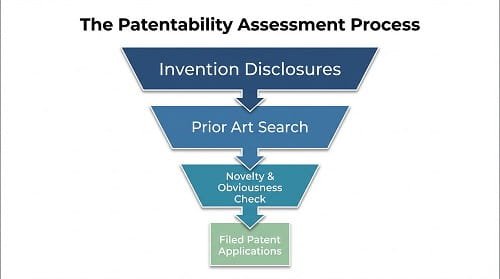
1. Conduct Prior Art Searches and Patentability Analyses — Identifies existing technologies and assesses novelty/non-obviousness to avoid futile filings and steer clear of others’ rights.
A patent attorney or registered patent agent evaluates the patent landscape in your technology field by searching patent office databases (e.g., the European Patent Office, Canadian Intellectual Property Office, and Indian Patent Office) and non-patent literature. They analyze novelty, inventive step/non‑obviousness, and industrial applicability to assess validity prospects under the applicable patent act. This early diligence saves resources, informs filing patents strategy, and flags possible infringement risks for the patent applicant.
Sources and standards
- EPO, WIPO, and national databases, plus scientific journals and standards
- Claim charting against discoveries to test scope and validity
- Jurisdiction-specific case law (e.g., German Supreme Court and Madras High Court) that influences obviousness and claim interpretation
For a plain-English overview of common responsibilities, see this guide on what a patent lawyer does.
2. Draft Robust Patent Applications — Crafts precise claims, detailed specifications, and supporting drawings to maximize coverage, anticipate design-arounds, and withstand scrutiny.
High-quality patent drafting converts R&D into an enforceable patent application tailored to patent examination norms. A patent lawyer will craft layered independent and dependent claims, a compliant patent specification, and enabling examples to support future continuation practice and defend against patent opposition. Clear definitions reduce prosecution process friction and strengthen post‑grant validity.
Claims and specification strategy
- Draft for multiple embodiments and jurisdictions (e.g., European Patent Organisation requirements)
- Anticipate amendments during patent prosecution and opposition proceedings
- Train teams with formal patent drafting training and certification programs like the WIPO International Patent Drafting Training Program
Complementary practitioner education is highlighted in The WIPO – FICPI International Patent Drafting Training Programme | FICPI.
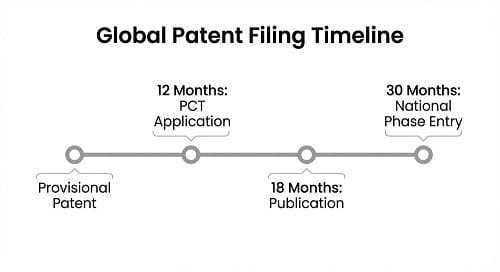
3. Build Filing and Jurisdiction Strategy — Times provisional/non‑provisional, continuation, and PCT/foreign filings to secure priority, preserve options, and align with market goals.
An experienced legal practitioner sequences provisional filings, PCT applications, and national phases to fit product launches and investment rounds. Strategy accounts for grace periods, data maturity, and the cost/benefit of EPO versus Eurasian Patent Office coverage, as well as alignment with European Union market priorities.
International routes and priority
- Choose where to seek patent protection (EPO, CIPO, Indian Patent Office, German Patent and Trade Mark Office)
- Engage a professional representative before the European Patent Office; many pass the European Qualifying Examination, while UK practitioners often train under the United Kingdom’s JEB
- Factor in qualification, registration, and practise requirements (e.g., Trans-Tasman IP Attorneys Board and Institute of Patent and Trade Mark Attorneys of Australia norms)
For skills and pathways that support cross-border practice, see how to become a patent lawyer.
4. Prosecute Applications Before Patent Offices — Manages Office Action responses, examiner interviews, and amendments to win allowance without over‑narrowing your protection.
Patent prosecution requires technical advocacy and legal training. A patent attorney balances argument and amendment during patent examination, schedules examiner interviews, and leverages comparative law (e.g., EPO problem‑solution, U.S. motivation to combine) to maintain broad, valid claims. Where appropriate, they coordinate with a registered patent agent or professional representative to meet local practice norms.
Examiner engagement and amendments
- Calibrate claim amendments to preserve doctrine‑of‑equivalents positions and avoid prosecution history estoppel
- Use declarations, data, and affidavits to overcome rejections
- Prepare for appeals or a patent board review when necessary
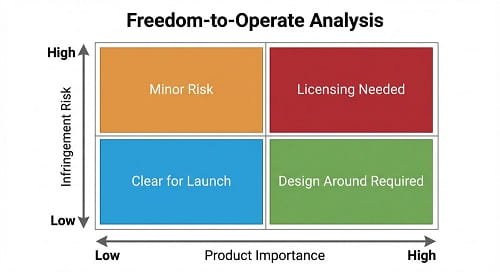
5. Provide Freedom‑to‑Operate and Infringement Opinions — Performs clearance analyses and non‑infringement/invalidity opinions to reduce litigation risk and guide safe product launches.
Before launch, counsel maps your product to competitor claims to assess infringement risk and design‑around options. Opinions on non‑infringement and invalidity consider prosecution history, claim construction, and international differences. This work informs indemnities, insurance, and market entry sequencing and often relies on practical experience spanning multiple jurisdictions, including the European Patent Office and national courts.
Opinions that steer product strategy
- Clearance at alpha/beta gates to minimize re‑tooling
- Written opinions to show good‑faith under patent regulations
- Ongoing monitoring for continuation filings that may alter risk
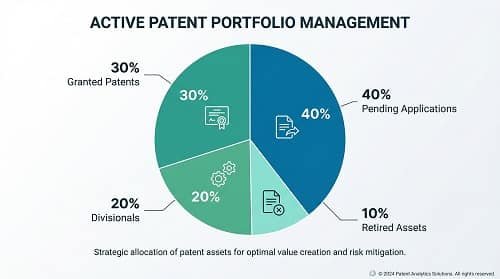
6. Develop and Manage Your Patent Portfolio — Prioritizes inventions, coordinates continuations/divisionals, prunes low‑value assets, and aligns spend with business strategy for a defensible moat.
Portfolio management aligns patent applications with revenue streams and negotiating leverage. A patent lawyer will triage invention disclosures, coordinate continuation/divisional filings, and retire assets that no longer fit the technology field roadmap. They also align annuity budgets and country coverage with market share, while tracking registration requirements and assignment recordals.
Portfolio governance
- Invention review boards with engineering degree and science degree representation
- Metrics on allowance rate, claim breadth, and maintenance ROI
- Valuation inputs for M&A and financing
For foundational definitions and cost considerations, see Investopedia’s overview of a patent attorney.
7. Enforce Rights and Defend Against Challenges — Monitors competitors, drafts demand letters, supports litigation/ITC actions, and coordinates evidence of use to protect market share.
Enforcement spans demand correspondence, customs actions, alternative dispute resolution, and court litigation. In Europe, a patent attorney coordinates with litigators on EPO opposition proceedings and national litigation; in Germany, filings may intersect with the German Patent and Trade Mark Office and bifurcated validity practice, with appellate guidance from the German Supreme Court. Internationally, counsel may advise on Indian Patent Office strategies and actions before the Madras High Court.
Enforcement forums and defenses
- EPO patent opposition and appeals
- PTAB or similar patent board challenges
- Cross‑border evidence-of-use development and licensing leverage
8. Negotiate IP Transactions and Handle Due Diligence — Structures NDAs, assignments, licenses, and M&A diligence to monetize IP, ensure clear ownership, and prevent leakage.
A patent attorney structures NDAs and invention assignment agreements early, then negotiates licenses, cross‑licenses, and pledges. During diligence, they verify chain of title, inventorship, registration status, and enforceability, review prosecution files for estoppel, and test validity risk. They also address open‑source and standards‑essential issues, and, where relevant, coordinate with the International Federation of Intellectual Property Attorneys network for local expertise.
Deal mechanics and diligence checklists
- Confirm recorded assignments at each patent office (EPO, CIPO, Indian Patent Office)
- Validate security interests, encumbrances, and co‑ownership
- Align royalty bases with product mapping and claim scope
9. Maintain Compliance and Docketing — Tracks deadlines, pays maintenance/annuities, records ownership, and manages IDS/duty of disclosure to keep patents enforceable.
Compliance turns on robust docketing and registration hygiene: renewals/annuities, assignment recordals, translations, and timely responses. A legal practitioner ensures IDS submissions and duty of disclosure are satisfied under the relevant patent regulations and patent act. They also oversee power-of-attorney management, address changes, and certified copies for foreign filings, coordinating with the Intellectual Property Institute of Canada and other national bodies as needed.
- Implement global annuity workflows across EPO, Eurasian Patent Office, and national offices
- Audit IDS logs and prosecution process trails for completeness
- Train teams on practise requirements, certification standards, and internal SOPs
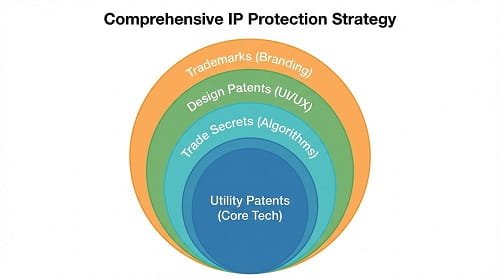
10. Counsel on Complementary IP and Trade Secrets — Advises when to patent vs. keep as trade secret, and integrates design patents, copyrights, trademarks, and open‑source compliance for layered protection.
Strategic counsel weighs the benefits of a patent application against trade secret protection, timing disclosures to avoid self‑collision and preserve options. A patent agent or patent lawyer may recommend design rights for look‑and‑feel, trademarks for brand, and copyright for code or documentation. They also advise on export controls, data rights, and collaboration agreements with universities, and coordinate with the World Intellectual Property Organization’s frameworks for international filings when appropriate.
- Map product features to the right IP form and jurisdiction
- Synchronize publication, marketing, and filing dates to protect priority
- Build cross‑functional playbooks with legal training for engineering and product teams
For those evaluating careers or team qualifications in patent law, this overview from a prelaw program explains pathways into patent law, including the value of an engineering degree or science degree for practice.
Additional Qualification and Professional Standards Notes
- EPO representation typically requires passing the European Qualifying Examination (multiple examination papers) and ongoing practical experience; many practitioners are listed as a professional representative post‑registration.
- In Canada, practitioners interact with the Canadian Intellectual Property Office and the Intellectual Property Institute of Canada on standards and continuing education.
- In Australia and New Zealand, registration and practise requirements are overseen by the Trans-Tasman IP Attorneys Board, with community support from the Institute of Patent and Trade Mark Attorneys of Australia.
- In the UK, the United Kingdom’s JEB administers core qualification assessments for patent attorneys.
- Across jurisdictions, patent drafting, patent prosecution, patent examination, patent opposition, and enforcement against infringement all rely on deep familiarity with patent regulations and the nuances of each patent office’s procedures, tailored to each patent applicant’s goals.

Our dedicated team gathers information from all the reliable sources to make the law accessible and understandable for everyone. We provide the latest legal news stories from across the country, delivered straight to you.