
A severe accident can change a life in a single second. When an injury goes beyond broken bones and enters the realm of a catastrophic event, the path to recovery becomes incredibly complex. In California law, a catastrophic injury involves permanent disability, severe disfigurement, or the total loss of a major bodily function, such as a traumatic brain injury or spinal cord damage.
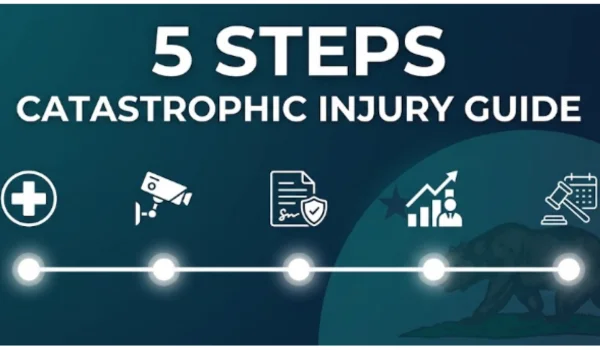
Because the financial burden of these injuries can easily reach millions of dollars over a lifetime, your choices in the immediate aftermath are critical. Whether you work with specialized legal counsel locally, such as catastrophic injury attorneys in Riverside, or elsewhere in the state, protecting your rights is essential. Here are five practical steps victims and their families must take to secure their future.
1. Prioritize Immediate and Specialized Medical Care
Your health is the absolute priority, but how you handle your care also carries immense legal weight. Following a severe accident, emergency room treatment is only the first step. Catastrophic injuries require swift referrals to top-tier specialists like neurologists or orthopedic surgeons.
From a legal perspective, consistency in your medical treatment is vital. Insurance adjusters actively look for gaps in your care to argue that your condition is not as severe as you claim. Continuous, highly documented treatment from recognized experts establishes a clear medical baseline that links your injuries directly to the accident.
2. Secure Evidence Before It Disappears
California is a massive state with crowded highways and complex transit systems. Because traffic conditions move rapidly, accident scenes change fast and crucial evidence can vanish in hours. While a victim is in the hospital, family members need to secure physical proof immediately.
Important items to collect include official police reports from local police or the California Highway Patrol. You should also gather contact information from witnesses before memories fade. For commercial trucking accidents, it is necessary to secure digital evidence like dashcam footage and electronic black box data before it is overwritten.
3. Refuse Early Settlement Offers and Avoid Recorded Statements
The insurance adjuster handling your claim represents the interests of their company, not your family. When a multi-million dollar policy limit is at stake, insurance companies often try to minimize their financial exposure.
A common tactic is offering a fast settlement shortly after the accident. While a quick payout might seem helpful when medical bills arrive, it rarely covers the actual lifetime costs of a permanent disability. Once you sign a settlement release, you waive your right to ask for more. Additionally, avoid providing recorded statements to the opposing insurer without a lawyer present, as they can use your words to shift blame to you.
4. Initiate a Comprehensive Life Care Plan Early
Standard injury claims focus on paying off past medical bills, but catastrophic claims must focus on funding the rest of your life. To do this accurately, you must establish a life care plan.
A life care plan is a document created by medical and financial experts that projects the exact lifetime costs associated with a permanent injury. This plan calculates the expenses for future surgeries, around-the-clock home nursing, specialized vehicles, home modifications, and lost earning capacity. Without this detailed forecast, a court cannot accurately measure the financial damages required to sustain your quality of life.
5. Account for California’s Strict Legal Deadlines
Time is a finite resource when it comes to filing a lawsuit. Under California Code of Civil Procedure section 335.1, the standard statute of limitations for a personal injury claim is two years from the date of the incident.
However, a critical exception applies if your injury involved a government entity. For instance, if a crash was caused by a poorly designed state highway or a city transit bus, you must file a formal administrative claim within six months under the California Government Claims Act. Missing either deadline means you permanently lose your right to seek compensation.
Conclusion
Navigating life after a catastrophic injury is an overwhelming experience. Because the financial needs are immense and insurance companies defend these high-value claims aggressively, ordinary legal strategies are rarely enough. Protecting your long-term well-being requires proactive medical documentation, swift evidence preservation, and an accurate assessment of future costs. Consulting a qualified professional ensures your family does not have to face these complex legal hurdles alone.

Our dedicated team gathers information from all the reliable sources to make the law accessible and understandable for everyone. We provide the latest legal news stories from across the country, delivered straight to you.