
Pesticides can help control insects, weeds, and agricultural pests, but improper use can create serious risks for drinking water, wildlife, and ecosystems. Because chemicals can move through soil and waterways, Pennsylvania regulates how pesticides are approved, stored, and applied. Yes. It is generally illegal to spray unapproved pesticides near a water source in Pennsylvania because pesticide use must comply with state and federal environmental regulations. Using pesticides that are not registered, applying them in prohibited areas, or violating label instructions may result in fines, enforcement actions, and other legal consequences.
The legality of pesticide use depends on the chemical involved, whether it is approved for that purpose, the location of application, and compliance with safety requirements.
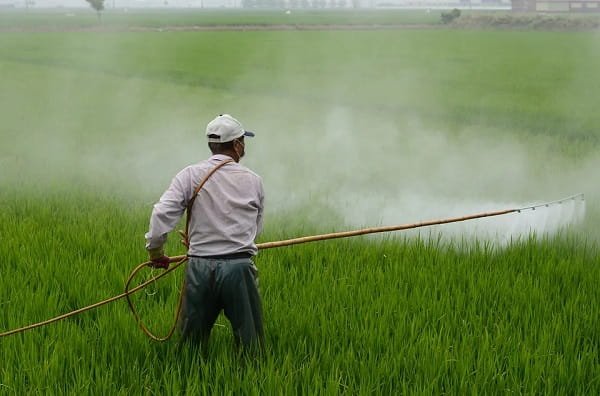
Pennsylvania Regulation of Pesticide Use
Pennsylvania regulates pesticide activities through laws administered by agencies such as the Pennsylvania Department of Agriculture and environmental authorities.
These regulations are designed to:
- Protect public health.
- Prevent water contamination.
- Protect wildlife.
- Ensure proper pesticide handling.
- Reduce environmental damage.
Individuals and businesses using pesticides must follow legal requirements.
What Does “Unapproved Pesticide” Mean?
An unapproved pesticide may refer to a product that:
- Is not registered for legal use.
- Is banned or restricted.
- Is used for a purpose not allowed by its label.
- Is applied in a manner prohibited by regulations.
Pesticide labels contain legally required instructions regarding:
- Application methods.
- Allowed locations.
- Amounts.
- Safety precautions.
- Environmental restrictions.
Ignoring these requirements can create legal violations.
Why Are Pesticides Near Water Sources Regulated?
Water sources are especially sensitive to chemical contamination.
Improper pesticide application near:
- Rivers.
- Streams.
- Lakes.
- Wells.
- Drinking water sources.
may result in:
- Water pollution.
- Harm to aquatic life.
- Contamination of drinking water.
- Damage to surrounding ecosystems.
Because chemicals can spread through runoff and groundwater movement, special precautions are often required.
Can Approved Pesticides Be Used Near Water?
Sometimes.
Approved pesticides may be used near water sources if:
- The product is legally registered.
- The label allows the use.
- Application instructions are followed.
- Required safety measures are taken.
A pesticide being approved does not mean it can be used anywhere or in unlimited amounts.
What Happens If Someone Uses Illegal Pesticides?
Improper pesticide use may result in consequences such as:
- Fines.
- Suspension or loss of pesticide licenses.
- Cleanup requirements.
- Civil liability.
- Criminal penalties in serious cases.
The severity may depend on:
- The chemical involved.
- The amount applied.
- Environmental damage caused.
- Whether the violation was intentional.
- Whether people or animals were harmed.
Are Farmers and Businesses Treated Differently?
Yes.
Commercial pesticide users may have additional responsibilities.
Farmers, landscapers, and businesses may need to:
- Obtain pesticide applicator certification.
- Maintain application records.
- Follow environmental restrictions.
- Use approved products.
- Follow safety requirements.
Professional users often face stricter compliance obligations than homeowners.
Can Residents Report Illegal Pesticide Use?
Yes.
People who observe possible pesticide misuse may report concerns to appropriate authorities.
Examples of situations that may be reported include:
- Chemical spraying directly into waterways.
- Strong chemical odors near water sources.
- Fish or wildlife deaths.
- Visible pesticide runoff.
- Use of prohibited chemicals.
Authorities may investigate and take enforcement action if violations are found.
Common Misunderstandings
Several misconceptions exist about pesticide use.
One common misunderstanding is that homeowners can use any pesticide as long as it is on private property. Property ownership does not allow use of illegal or improperly applied chemicals.
Another misconception is that a small amount of pesticide cannot harm water sources. Even small chemical releases may create environmental concerns.
Some people also believe that approved pesticides have no restrictions. Approved products must still be used according to their legal instructions.
What Should Someone Do Before Spraying Near Water?
Before applying pesticides near a water source, individuals should:
- Check whether the pesticide is approved.
- Read and follow the product label.
- Maintain safe distances from water when required.
- Use environmentally safe alternatives when possible.
- Seek professional guidance for sensitive areas.
Proper use helps prevent contamination and legal problems.
Why Legal Advice Is Important
Pesticide violations may involve environmental regulations, agricultural rules, water protection laws, and licensing requirements.
A qualified Pennsylvania environmental attorney can evaluate whether pesticide use violated legal standards, assist with enforcement matters, and advise individuals or businesses involved in environmental disputes.
Legal advice may be especially important when contamination, fines, or property damage is involved.
Conclusion
Spraying unapproved pesticides near a water source in Pennsylvania is generally illegal because pesticide use is regulated to protect water quality, public health, and the environment. Using approved products does not eliminate the need to follow application rules and safety requirements. Violations may lead to fines, enforcement actions, and liability for environmental harm. Anyone applying pesticides near waterways should confirm that the product and method of use comply with Pennsylvania and federal regulations.
FAQs
Q: Can I spray any pesticide near a stream in Pennsylvania?
A: No. The pesticide must be approved and used according to legal requirements and label instructions.
Q: Are pesticide rules different for farmers?
A: Yes. Commercial pesticide users may have additional licensing, reporting, and safety obligations.
Q: Can pesticide runoff contaminate drinking water?
A: Yes. Improper pesticide use can contribute to water contamination.
Q: What happens if someone uses a banned pesticide?
A: They may face fines, enforcement actions, and other legal consequences.
Q: Who regulates pesticide use in Pennsylvania?
A: State agricultural and environmental agencies help regulate pesticide registration, application, and enforcement.

Our dedicated team gathers information from all the reliable sources to make the law accessible and understandable for everyone. We provide the latest legal news stories from across the country, delivered straight to you.