
Advances in biotechnology have created genetically modified organisms (GMOs) and other modified biological materials that may be used in agriculture, research, medicine, and environmental projects. However, releasing modified organisms into natural environments can create ecological risks, including effects on native species and ecosystems. Yes. It is generally illegal to release modified organisms into the wild in Pennsylvania without proper authorization because such releases may be regulated under state and federal environmental, agricultural, and wildlife protection laws. Unauthorized release of genetically modified or otherwise modified organisms may result in enforcement actions, fines, removal requirements, and other legal consequences.
The legality of releasing modified organisms depends on the type of organism, the purpose of release, applicable permits, and whether government agencies have approved the activity.
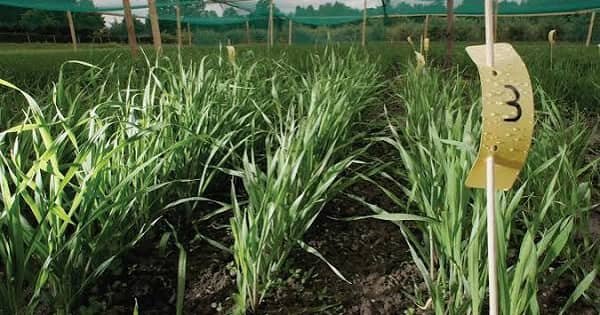
What Are Modified Organisms?
Modified organisms are living organisms whose genetic material or biological characteristics have been changed through scientific methods.
Examples may include:
- Genetically modified plants.
- Modified microorganisms.
- Engineered insects.
- Laboratory-developed organisms.
- Other altered biological materials.
These organisms may be created for purposes such as:
- Scientific research.
- Agriculture.
- Disease control.
- Environmental studies.
However, releasing them into uncontrolled environments requires careful review.
Why Are Releases Into the Wild Regulated?
Government agencies regulate releases because modified organisms may affect ecosystems.
Potential concerns include:
- Disruption of native species.
- Spread of modified traits.
- Impact on biodiversity.
- Effects on agriculture.
- Unpredictable environmental changes.
Regulation helps ensure that scientific and commercial activities do not create unintended ecological harm.
Can Someone Release a Genetically Modified Organism Without Permission?
Generally, no.
A person, company, or organization usually cannot release modified organisms into natural environments without appropriate approval.
Authorization may involve:
- Environmental assessments.
- Research permits.
- Agricultural approvals.
- Safety reviews.
- Monitoring requirements.
The specific requirements depend on the organism and the purpose of the release.
Pennsylvania Regulation of Modified Organisms
Pennsylvania may regulate activities involving modified organisms through environmental, agricultural, and public health authorities.
Rules may apply to:
- Agricultural biotechnology.
- Research activities.
- Animal and plant management.
- Environmental releases.
Projects involving modified organisms may also need to comply with federal regulations.
Federal Laws That May Apply
Federal agencies may regulate certain modified organism activities.
Depending on the organism, federal oversight may involve agencies responsible for:
- Agriculture.
- Environmental protection.
- Public health.
- Wildlife conservation.
Federal review may be required before an organism is released outside controlled conditions.
What Happens If Someone Releases Modified Organisms Without Approval?
Unauthorized releases may result in serious consequences.
Possible penalties include:
- Government investigations.
- Civil fines.
- Criminal penalties in serious cases.
- Orders to contain or remove organisms.
- Restrictions on future research activities.
The consequences may depend on:
- The organism released.
- Environmental impact.
- Whether the release was intentional.
- Whether safety procedures were ignored.
Are Research Releases Ever Allowed?
Yes.
Authorized research projects may involve controlled releases when approved by appropriate agencies.
Approved activities may require:
- Containment plans.
- Monitoring programs.
- Reporting requirements.
- Safety measures.
Scientific research does not automatically permit unrestricted environmental release.
Are Modified Agricultural Crops Allowed in Pennsylvania?
Some genetically modified crops may be legally grown or used when they meet applicable requirements.
However, approval for agricultural use does not necessarily allow unrestricted release into all environments.
Farmers and organizations must follow:
- Crop regulations.
- Environmental requirements.
- Permit conditions.
- Land-use rules.
Common Misunderstandings
Several misconceptions exist about modified organisms.
One common misunderstanding is that genetically modified organisms can be released freely because they are created through science. Scientific development does not remove environmental regulations.
Another misconception is that private landowners can release modified organisms on their own property. Environmental laws may still apply even on private land.
Some people also believe that approved laboratory research allows outdoor release. Research approvals usually contain specific limits and conditions.
What Should Someone Do Before Releasing a Modified Organism?
Before any release, individuals or organizations should:
- Identify applicable regulations.
- Obtain required approvals.
- Consult relevant agencies.
- Conduct environmental assessments.
- Follow monitoring requirements.
Proper planning helps prevent ecological harm and legal violations.
Why Legal Advice Is Important
Issues involving modified organisms may involve biotechnology regulations, environmental law, agricultural rules, and federal oversight.
A qualified Pennsylvania environmental or biotechnology attorney can evaluate whether a proposed release requires approval, assist with regulatory compliance, and address enforcement concerns.
Legal advice is especially important for research institutions, businesses, and organizations conducting biological projects.
Conclusion
Releasing modified organisms into the wild in Pennsylvania is generally illegal without proper authorization because environmental and biological risks require regulatory oversight. While approved research and agricultural activities may be allowed under specific conditions, unauthorized releases can harm ecosystems and result in significant legal consequences. Anyone planning to release modified organisms should obtain required approvals and follow state and federal regulations.
FAQs
Q: Can I release a genetically modified organism into nature in Pennsylvania?
A: Generally, no. Authorization is usually required before releasing modified organisms into the environment.
Q: Are genetically modified crops automatically illegal in Pennsylvania?
A: No. Some genetically modified crops may be allowed if they comply with applicable regulations.
Q: What happens if someone releases modified organisms without approval?
A: They may face fines, enforcement actions, containment requirements, or other penalties.
Q: Do research organizations need permission for outdoor releases?
A: Yes. Controlled releases usually require regulatory approval and safety procedures.
Q: Who regulates modified organism releases?
A: Regulation may involve Pennsylvania agencies and federal authorities depending on the organism and activity.

Our dedicated team gathers information from all the reliable sources to make the law accessible and understandable for everyone. We provide the latest legal news stories from across the country, delivered straight to you.