
Industrial facilities play an important role in Pennsylvania’s economy, but they must follow environmental rules designed to protect air quality and public health. Because excessive pollution can harm communities and ecosystems, government agencies regulate the amount of emissions businesses may release. Yes. It is illegal to release industrial emissions above permitted limits in Pennsylvania because businesses must comply with state and federal air quality regulations. Facilities that exceed approved emission limits may face enforcement actions, fines, permit violations, cleanup requirements, and other legal consequences.
The legality of industrial emissions depends on the type of pollutant, the facility’s permits, applicable regulations, and whether the release was authorized.
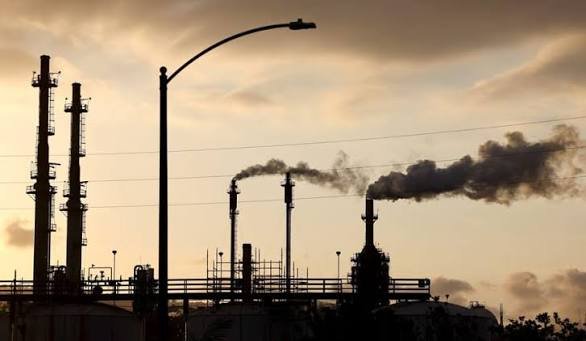
Pennsylvania Air Pollution Regulations
Pennsylvania regulates industrial air emissions through environmental laws administered by the Pennsylvania Department of Environmental Protection (DEP).
These regulations are designed to:
- Protect public health.
- Maintain air quality standards.
- Reduce harmful pollution.
- Control industrial emissions.
- Ensure businesses operate responsibly.
Industrial facilities must generally obtain permits before releasing regulated pollutants into the air.
What Are Industrial Emission Limits?
Emission limits are legal restrictions on the amount of certain pollutants a facility may release.
Limits may apply to pollutants such as:
- Particulate matter.
- Sulfur dioxide.
- Nitrogen oxides.
- Carbon monoxide.
- Volatile organic compounds.
- Hazardous air pollutants.
The limits are usually established through environmental permits and air quality standards.
Can a Company Release Emissions Without Restrictions?
No.
Industrial facilities generally cannot release unlimited emissions simply because they own and operate the property.
Companies may be required to:
- Obtain operating permits.
- Install pollution control equipment.
- Monitor emissions.
- Report violations.
- Maintain compliance records.
Failure to follow these requirements may result in enforcement actions.
What Happens If a Facility Exceeds Emission Limits?
A company that releases emissions above legal limits may face several consequences.
Possible penalties include:
- Civil fines.
- Criminal charges in serious cases.
- Permit suspension or revocation.
- Required pollution control improvements.
- Government enforcement actions.
- Lawsuits from affected parties.
The severity of consequences may depend on:
- The amount of excess emissions.
- The type of pollutant.
- The duration of the violation.
- Whether the violation was intentional.
- Harm caused to people or the environment.
Are Accidental Emission Releases Illegal?
Not every accidental release automatically results in the same penalties as intentional violations.
However, facilities may still have legal obligations, including:
- Reporting the incident.
- Investigating the cause.
- Taking corrective action.
- Preventing future violations.
Failure to report or address accidental releases may create additional legal problems.
Who Monitors Industrial Emissions in Pennsylvania?
Environmental authorities monitor compliance through:
- Facility inspections.
- Emission reports.
- Monitoring systems.
- Permit reviews.
- Public complaints.
The Pennsylvania Department of Environmental Protection may investigate suspected violations and take enforcement action when necessary.
Can Residents Report Excessive Industrial Pollution?
Yes.
Residents who believe a facility is releasing excessive emissions may report concerns to appropriate environmental authorities.
Possible signs of pollution may include:
- Unusual odors.
- Visible smoke.
- Health complaints.
- Dust or residue.
- Repeated air quality problems.
Authorities may investigate complaints and determine whether violations occurred.
Common Misunderstandings
Several misconceptions exist about industrial emissions.
One common misunderstanding is that companies can exceed emission limits if the pollution is temporary. Even short-term violations may require reporting and regulatory review.
Another misconception is that only large factories must follow emission rules. Many types of industrial operations may be subject to air quality regulations.
Some people also believe that having an environmental permit allows unlimited pollution. Permits establish limits and conditions that facilities must follow.
What Should a Company Do If It Exceeds Emission Limits?
A facility that discovers excessive emissions should consider:
- Reporting the violation as required.
- Investigating the cause.
- Correcting equipment problems.
- Following regulatory instructions.
- Seeking environmental compliance advice.
Prompt action can reduce legal risks.
Why Legal Advice Is Important
Environmental compliance issues may involve state regulations, federal air quality laws, permits, technical monitoring data, and enforcement procedures.
A qualified Pennsylvania environmental attorney can evaluate whether emission limits were violated, assist businesses with compliance issues, and represent individuals or organizations affected by pollution.
Legal guidance is especially important when violations involve significant penalties, government investigations, or public health concerns.
Conclusion
Releasing industrial emissions above legal limits in Pennsylvania is illegal because businesses must comply with air pollution regulations, permits, and emission standards. Industrial facilities are allowed to operate, but they must control and monitor pollutants within approved limits. Violations may result in fines, permit consequences, and other legal actions. Companies and communities affected by excessive emissions should understand their rights and responsibilities under environmental laws.
FAQs
Q: Can a factory legally exceed its emission limits in Pennsylvania?
A: Generally, no. Facilities must follow the emission limits established by permits and environmental regulations.
Q: Who regulates industrial air emissions in Pennsylvania?
A: The Pennsylvania Department of Environmental Protection helps regulate and enforce air quality requirements.
Q: What penalties can companies face for illegal emissions?
A: Companies may face fines, permit actions, enforcement proceedings, and other legal consequences.
Q: Can residents report suspected industrial pollution?
A: Yes. Residents may report possible violations to environmental authorities for investigation.
Q: Are accidental emissions treated the same as intentional pollution?
A: Not always. Accidental releases may involve different procedures, but reporting and corrective actions may still be required.
Our dedicated team gathers information from all the reliable sources to make the law accessible and understandable for everyone. We provide the latest legal news stories from across the country, delivered straight to you.