
Mining has played an important role in Pennsylvania’s economy, especially through coal, natural gas, and mineral extraction. However, mining activities can significantly affect land, water resources, wildlife habitats, and nearby communities. Because of these potential impacts, Pennsylvania regulates mining operations through environmental and safety laws. Yes. It is generally illegal to mine on land without a required permit in Pennsylvania because mining operations usually require government approval to ensure environmental protection, worker safety, and proper land restoration. Conducting mining activities without required authorization may result in fines, enforcement actions, restoration requirements, and other legal consequences.
The legality of mining depends on the type of material being extracted, the size of the operation, the location, and whether applicable permits have been obtained.
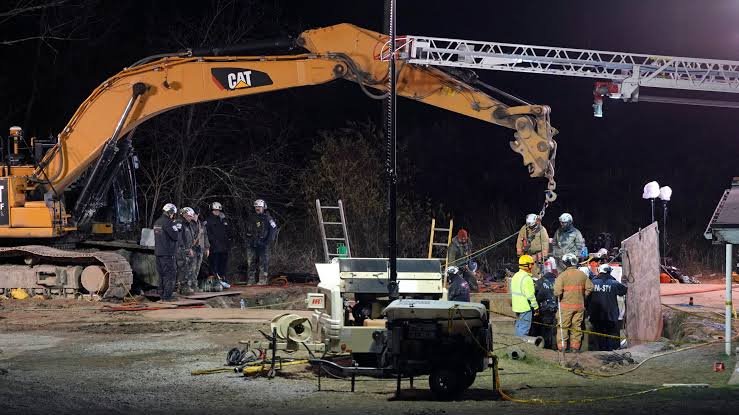
Pennsylvania Mining Regulations
Pennsylvania regulates mining activities through environmental laws administered by agencies such as the Pennsylvania Department of Environmental Protection (DEP).
Mining regulations are designed to:
- Protect land and water resources.
- Prevent pollution.
- Ensure safe mining practices.
- Control waste disposal.
- Require land reclamation after mining.
Different types of mining may have different permitting requirements.
Does Private Land Ownership Allow Mining Without Approval?
No.
Owning land does not automatically give someone the right to conduct unrestricted mining activities.
A property owner may still need approval before:
- Removing minerals commercially.
- Excavating large areas.
- Operating mining equipment.
- Disturbing protected resources.
- Affecting groundwater or waterways.
Environmental and safety laws can apply even on privately owned land.
What Types of Mining Require Permits?
Many mining activities require permits, including:
- Coal mining.
- Surface mining.
- Underground mining.
- Large-scale mineral extraction.
- Quarry operations.
- Activities disturbing significant amounts of earth.
Permit requirements may depend on the material being extracted and the scale of the operation.
Why Are Mining Permits Required?
Mining can create environmental and safety risks.
Permits help regulate:
- Soil disturbance.
- Water pollution.
- Waste materials.
- Air pollution.
- Land stability.
- Reclamation plans.
Before approval, authorities may review whether the proposed mining activity can be conducted responsibly.
What Happens If Someone Mines Without a Permit?
Unauthorized mining may result in serious consequences.
Possible penalties include:
- Civil fines.
- Stop-work orders.
- Criminal charges in serious cases.
- Required restoration of damaged land.
- Removal of equipment.
- Government enforcement actions.
The severity of consequences may depend on:
- The size of the operation.
- Environmental damage.
- The type of minerals involved.
- Whether the activity was intentional.
- Compliance efforts after discovery.
Are Small Mining Activities Exempt?
Sometimes.
Certain limited activities may have different requirements depending on their nature and impact.
However, a small operation is not automatically exempt from all regulations.
Individuals should verify whether their activity requires:
- Permits.
- Notifications.
- Environmental review.
- Local approval.
What Environmental Damage Can Illegal Mining Cause?
Unregulated mining may lead to:
- Water contamination.
- Soil erosion.
- Habitat destruction.
- Acid mine drainage.
- Groundwater problems.
- Dangerous abandoned mine areas.
These impacts may affect surrounding properties and communities.
Can Someone Report Illegal Mining?
Yes.
Residents may report suspected illegal mining activities involving:
- Unpermitted excavation.
- Pollution from mining operations.
- Unsafe mine conditions.
- Damage to streams or land.
Environmental authorities may investigate complaints and take enforcement action if violations are found.
Common Misunderstandings
Several misconceptions exist about mining regulations.
One common misunderstanding is that landowners can mine freely because they own the minerals beneath their property. Mineral rights and environmental requirements may involve separate legal issues.
Another misconception is that only large mining companies need permits. Smaller operations may also require approval depending on their activities.
Some people also believe that removing a small amount of material is never regulated. Certain excavation activities may still trigger environmental or local requirements.
What Should Someone Do Before Mining?
Before starting mining activities, individuals or companies should:
- Determine what permits apply.
- Contact Pennsylvania environmental authorities.
- Review local zoning requirements.
- Evaluate environmental impacts.
- Develop a reclamation plan if required.
Proper planning helps avoid costly violations.
Why Legal Advice Is Important
Mining disputes may involve environmental law, property rights, mineral ownership, permitting requirements, and government enforcement.
A qualified Pennsylvania environmental or mining attorney can evaluate whether a proposed operation requires permits, assist with compliance, and help address enforcement issues.
Legal guidance is especially important when mining involves significant investment, environmental damage, or disputes over mineral rights.
Conclusion
Mining on land without a required permit in Pennsylvania is generally illegal because mining activities are regulated to protect the environment, public safety, and natural resources. Private land ownership does not eliminate the need to follow mining laws. While certain limited activities may have different requirements, commercial or significant mining operations usually require approval before beginning. Unauthorized mining can result in fines, restoration obligations, and other legal consequences.
FAQs
Q: Can I mine minerals on my own property in Pennsylvania?
A: Not always. You may need permits and must comply with environmental regulations.
Q: Does every mining activity require a permit?
A: Requirements vary depending on the type, size, and location of the mining activity.
Q: Who regulates mining in Pennsylvania?
A: The Pennsylvania Department of Environmental Protection regulates many mining activities.
Q: What happens if someone mines without approval?
A: They may face fines, enforcement actions, and requirements to restore damaged land.
Q: Can illegal mining affect nearby property owners?
A: Yes. Mining impacts such as pollution, erosion, or land instability can affect surrounding properties.

Our dedicated team gathers information from all the reliable sources to make the law accessible and understandable for everyone. We provide the latest legal news stories from across the country, delivered straight to you.