
Invasive plants can spread quickly and harm native ecosystems, agriculture, forests, and wildlife habitats. Because these plants may outcompete native species and disrupt environmental balance, Pennsylvania regulates certain activities involving invasive plant species. Yes. It can be illegal to move invasive plants in Pennsylvania when the movement violates state regulations, quarantine rules, conservation requirements, or restrictions involving regulated invasive species. Transporting, selling, planting, or distributing certain invasive plants without authorization may result in fines, penalties, and other legal consequences.
The legality of moving an invasive plant depends on the specific species, the purpose of movement, the location, and whether applicable laws or exceptions apply.
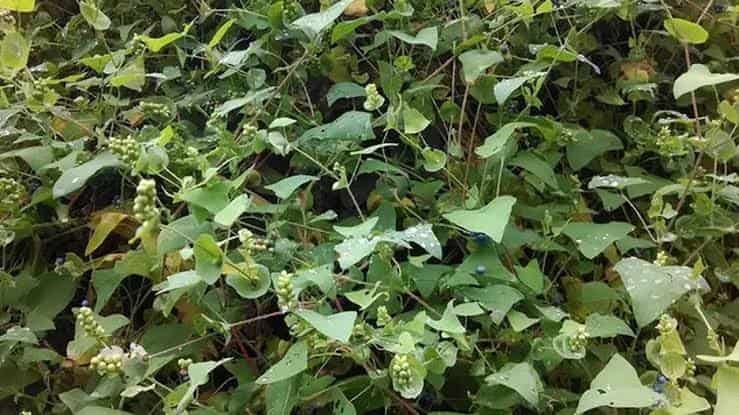
What Are Invasive Plants?
Invasive plants are non-native plant species that spread aggressively and cause harm to ecosystems, agriculture, or natural resources.
Examples may include plants that:
- Spread rapidly.
- Replace native vegetation.
- Reduce biodiversity.
- Damage forests or farmland.
- Disrupt wildlife habitats.
Not every non-native plant is considered invasive, but regulated species may require special restrictions.
Why Does Pennsylvania Regulate Invasive Plants?
Pennsylvania regulates invasive plants to prevent environmental damage.
Invasive species can:
- Reduce native plant populations.
- Change soil conditions.
- Affect insects and wildlife.
- Harm agricultural production.
- Increase management costs.
Preventing the spread of invasive plants is often easier and less expensive than controlling established populations.
Can Someone Transport Invasive Plants on Private Property?
It depends.
Moving an invasive plant within private property may not always be treated the same as commercial transportation, but certain actions may still create legal problems.
Issues may arise if someone:
- Spreads the plant to public land.
- Moves regulated species across restricted areas.
- Distributes invasive plants to others.
- Violates local or state restrictions.
Property ownership does not always allow unrestricted movement of regulated species.
Is Selling Invasive Plants Illegal in Pennsylvania?
Some invasive plants may not legally be sold, distributed, or intentionally propagated.
Businesses and individuals may face restrictions involving:
- Sale.
- Importation.
- Transportation.
- Cultivation.
- Distribution.
Nurseries, landscapers, and plant sellers may have additional responsibilities to avoid spreading regulated invasive species.
What Happens If Someone Moves Invasive Plants Illegally?
Unauthorized movement of invasive plants may result in consequences such as:
- Fines.
- Removal requirements.
- Confiscation of plants.
- Enforcement actions.
- Restrictions on business activities.
The seriousness of penalties may depend on:
- The species involved.
- The amount moved.
- Environmental harm caused.
- Whether the action was intentional.
Are There Exceptions for Research or Conservation?
Yes.
Some movement of invasive plants may be allowed for:
- Scientific research.
- Government programs.
- Approved management activities.
However, these activities generally require proper authorization and safety procedures.
Can Someone Remove Invasive Plants From Their Property?
Often, yes.
Property owners are generally encouraged to control invasive plants, but they should handle removal carefully.
Improper disposal may accidentally spread invasive species through:
- Seeds.
- Roots.
- Plant fragments.
- Contaminated soil.
Following recommended removal methods helps prevent further spread.
Can Invasive Plants Be Transported as Yard Waste?
Sometimes, but caution is required.
Moving plant material containing invasive species may spread the problem to new locations.
Residents should check local disposal rules before transporting:
- Branches.
- Roots.
- Seeds.
- Plant debris.
Some communities may have special disposal requirements.
Common Misunderstandings
Several misconceptions exist about invasive plants.
One common misunderstanding is that moving a plant is always legal because it grows naturally in someone’s yard. Some invasive species remain regulated regardless of where they are found.
Another misconception is that small amounts cannot cause harm. A single plant or seed can sometimes establish a new invasive population.
Some people also believe that giving invasive plants to friends or neighbors is harmless. Distribution can contribute to wider environmental damage.
What Should Someone Do Before Moving a Plant?
Before moving a plant that may be invasive, individuals should:
- Identify the species.
- Check Pennsylvania regulations.
- Avoid transporting unknown invasive plants.
- Dispose of plant material properly.
- Consult conservation authorities if uncertain.
Taking precautions helps protect native ecosystems.
Why Legal Advice Is Important
Invasive plant issues may involve environmental regulations, agricultural rules, property rights, and conservation requirements.
A qualified Pennsylvania environmental attorney can evaluate whether moving or distributing a plant violates applicable laws, assist with regulatory questions, and address disputes involving invasive species.
Legal advice may be especially important for businesses, land managers, or organizations involved in plant transportation.
Conclusion
Moving invasive plants in Pennsylvania can be illegal when the activity violates regulations designed to prevent the spread of harmful species. While not every plant movement is prohibited, transporting, selling, or distributing regulated invasive plants without approval may result in penalties. Individuals should identify plants carefully and follow state and local requirements before moving plant material to protect Pennsylvania’s ecosystems.
FAQs
Q: Can I move an invasive plant from my yard in Pennsylvania?
A: It depends on the species and where the plant is being moved.
Q: Is selling invasive plants illegal?
A: Some regulated invasive plants cannot legally be sold or distributed.
Q: Can invasive plants damage Pennsylvania ecosystems?
A: Yes. They can replace native species and disrupt natural habitats.
Q: What should I do with invasive plants I remove?
A: Dispose of them according to local guidance to prevent spreading.
Q: Can businesses transport invasive plants?
A: Businesses must follow applicable regulations and may face stricter requirements.

Our dedicated team gathers information from all the reliable sources to make the law accessible and understandable for everyone. We provide the latest legal news stories from across the country, delivered straight to you.