
Products made from endangered animals can contribute to illegal wildlife trade and threaten species that are already at risk of extinction. Because of these concerns, governments regulate the possession, sale, and transportation of items made from protected wildlife. Yes. It is generally illegal to sell goods made from endangered animals in Pennsylvania because state and federal wildlife protection laws restrict the commercial trade of products made from protected species. Selling items containing parts or materials from endangered animals may result in fines, criminal penalties, confiscation of the products, and other legal consequences.
The legality of selling wildlife products depends on the species involved, the type of product, when and where it was obtained, and whether any legal exceptions or permits apply.
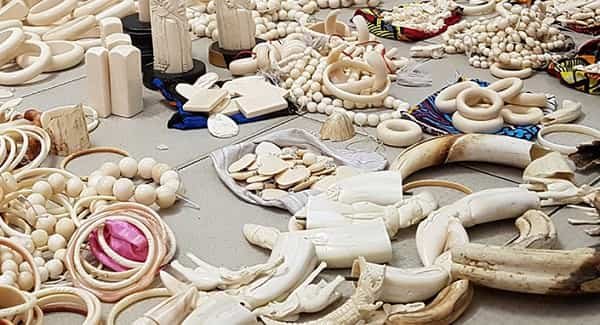
What Are Goods Made From Endangered Animals?
Goods made from endangered animals are products that contain parts, materials, or derivatives from species protected because their populations are threatened.
Examples may include:
- Jewelry made from protected animal parts.
- Items containing ivory.
- Products made from endangered reptile skins.
- Decorative items using protected wildlife materials.
- Traditional products containing prohibited animal parts.
The rules may apply even if the animal material is only a small component of the product.
Why Does Pennsylvania Regulate Wildlife Products?
Wildlife protection laws exist to prevent:
- Illegal hunting.
- Species extinction.
- Wildlife trafficking.
- Harm to ecosystems.
- Unregulated commercial exploitation.
Endangered species protections help preserve biodiversity and prevent illegal markets from encouraging further harm to wildlife.
Pennsylvania and Federal Wildlife Protection Laws
The sale of endangered animal products may be regulated under both state and federal laws.
Federal protections may apply through laws such as the Endangered Species Act and wildlife trade regulations.
Pennsylvania also enforces wildlife conservation rules that restrict certain activities involving protected animals and their parts.
Depending on the species and transaction, federal agencies may also regulate interstate or international wildlife commerce.
Can Someone Sell an Old Wildlife Product They Already Own?
Not always.
Owning an item made from animal material does not automatically allow someone to sell it.
The legality may depend on:
- The species involved.
- The date it was acquired.
- Proof of legal ownership.
- Applicable permits.
- State and federal restrictions.
Some older items may have specific exceptions, but documentation may be required.
Are All Animal Products Illegal to Sell?
No.
Not every product made from an animal is prohibited.
Some wildlife products may be legally sold if they:
- Come from non-protected species.
- Were obtained legally.
- Meet regulatory requirements.
- Have required documentation.
The key issue is whether the animal species and product are protected by law.
What Happens If Someone Sells Illegal Endangered Animal Products?
Selling prohibited wildlife products may lead to serious consequences.
Possible penalties include:
- Criminal charges.
- Civil fines.
- Confiscation of products.
- Loss of permits or licenses.
- Court-ordered penalties.
The severity may depend on:
- The species involved.
- The value of the product.
- Whether the sale was intentional.
- Whether the person knew the product was illegal.
Can Businesses Sell Wildlife-Based Products?
Only if they comply with applicable laws.
Businesses dealing with animal products may need to:
- Verify legal sources.
- Maintain records.
- Obtain required permits.
- Follow wildlife trade regulations.
Failure to comply can expose businesses and owners to enforcement actions.
Common Misunderstandings
Several misconceptions exist about endangered animal products.
One common misunderstanding is that selling a product is legal if the animal was already dead. Protected species laws may still prohibit possession or sale of animal parts.
Another misconception is that online sales avoid wildlife regulations. Online transactions involving protected animal products may still violate state and federal laws.
Some people also believe that antiques are automatically exempt. Certain exceptions exist, but documentation and legal requirements may still apply.
What Should Someone Do Before Selling an Animal-Based Product?
Before selling a product made from animal materials, individuals should:
- Identify the animal species involved.
- Check state and federal restrictions.
- Gather ownership documentation.
- Confirm whether permits are required.
- Seek legal advice if uncertain.
Proper verification can prevent accidental wildlife law violations.
Why Legal Advice Is Important
Wildlife trade laws can involve complex state and federal regulations, international agreements, and documentation requirements.
A qualified Pennsylvania environmental or wildlife attorney can evaluate whether a product can legally be sold, explain applicable restrictions, and assist with disputes involving wildlife authorities.
Legal advice is especially important when valuable items, protected species, or enforcement actions are involved.
Conclusion
Selling goods made from endangered animals in Pennsylvania is generally illegal because wildlife protection laws restrict commercial trade involving protected species and their parts. While some legally obtained wildlife products may have limited exceptions, sellers must prove compliance with applicable regulations. Anyone buying or selling animal-based products should verify the species, documentation, and legal requirements before completing a transaction.
FAQs
Q: Can I sell an item made from an endangered animal if I inherited it?
A: Not necessarily. Ownership or inheritance does not automatically make the sale legal.
Q: Are all animal products banned in Pennsylvania?
A: No. Only products involving protected species or restricted materials may be prohibited.
Q: Can online sales of endangered animal products be illegal?
A: Yes. Online transactions may still violate wildlife protection laws.
Q: What happens if someone sells illegal wildlife products?
A: They may face fines, criminal penalties, and confiscation of the items.
Q: Should I check the species before selling an animal-based product?
A: Yes. Confirming the species and legal status can help avoid wildlife law violations.

Our dedicated team gathers information from all the reliable sources to make the law accessible and understandable for everyone. We provide the latest legal news stories from across the country, delivered straight to you.