
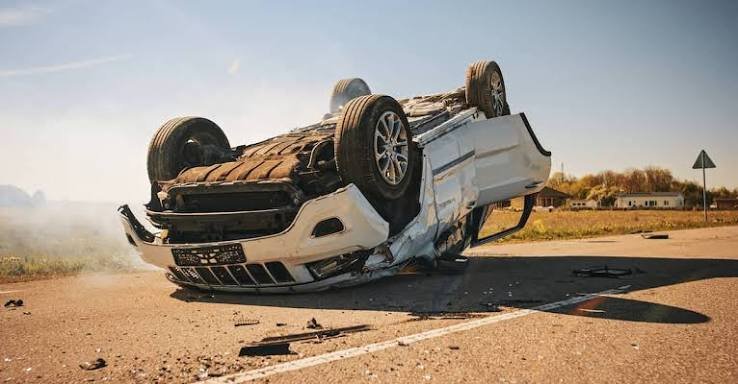
A vehicle resting on its roof or side provides a striking image, but it does not explain the complete sequence of a rollover crash. The event may involve a collision, a roadside obstacle, a change in direction or a problem with the vehicle. Several movements can occur between the first loss of control and the final resting position.
For injured occupants in Southern Utah, the investigation should therefore focus on how the rollover developed. Medical needs come first, while timely preservation of the vehicle and scene information can help answer questions that photographs of the aftermath alone cannot resolve.
Prioritize Rescue and Medical Evaluation
An overturned vehicle may present immediate hazards. Occupants and witnesses should follow emergency responders’ directions rather than attempting to move the vehicle or retrieve belongings in unsafe conditions.
Describe the incident accurately when receiving treatment. Explain the seating position and any known impacts or restraint use without speculating about injuries. Keep the treatment instructions and arrange follow-up care recommended by the medical team.
Record Each Occupant’s Situation
Different occupants may experience different forces and injuries. A record of where each person sat can provide useful context, but one person’s condition does not establish what happened to everyone else. Individual medical documentation remains important.
Examine the Sequence Before the Vehicle Overturned
Investigators may consider tire marks, contact points, damaged roadside objects and vehicle debris. These details can help explain the initial movement and subsequent rollover.
Identify Earlier Contact
A rollover may follow contact with another vehicle or object. Preserve photographs showing damage on different sides of the vehicle and any available dashcam footage. The location of the final wreckage may be some distance from the first relevant event.
Document the Road Environment
Curves, shoulder edges, surface conditions and nearby obstacles can matter. Record the time, lighting and weather as accurately as possible. These observations provide context; they do not automatically prove that the roadway caused the crash.
Someone seeking help investigating how the vehicle overturned may need a review that connects physical evidence with witness accounts and available vehicle information. The objective is to evaluate competing explanations rather than infer fault from the rollover itself.
Preserve the Vehicle Before Repairs or Disposal
A damaged vehicle can contain information relevant to the cause of the crash. Repairing it, discarding components or allowing salvage disposal may make some questions harder to investigate.
Tell counsel and the insurer where the vehicle is stored. Ask how preservation and any inspection should be coordinated while addressing storage costs. Do not attempt to dismantle components or retrieve electronic data without appropriate expertise.
Keep Maintenance Information
Repair invoices, tire purchases and earlier reports of a mechanical concern may be relevant if vehicle condition is disputed. Preserve those records without assuming that a maintenance issue necessarily caused the rollover.
Identify Available Electronic Records
Some vehicles may retain crash-related data. The type of information and method of retrieval vary. Establishing whether useful data exists requires an appropriate examination rather than a general assumption that every vehicle records a complete account.
Separate Safety Statistics From Individual Responsibility
NHTSA reports that 48% of passenger-vehicle occupants killed in 2024 were unrestrained, based on cases with known restraint use. This national statistic addresses all relevant passenger-vehicle crashes, not rollovers alone.
The figure reinforces the importance of restraints but does not determine responsibility or compensation in a particular claim. Any dispute about occupant protection must be evaluated using the facts and applicable Utah law.
More broadly, the seriousness of the wreck does not identify the responsible party. The investigation must connect a driver’s action, vehicle condition or another alleged problem to the event and resulting harm.
Document Recovery and Financial Losses
Keep medical records, bills, work-absence information and receipts for necessary expenses. A rollover may create both injury and vehicle-loss issues, which should be tracked separately.
If recovery affects lifting, driving or other everyday activities, maintain a specific dated record. Avoid estimating permanent limitations without medical support. Future needs and reduced earning capacity may require additional evidence beyond an initial emergency bill.
Before accepting an offer, review which claims and parties a release would cover. A payment addressing vehicle damage should not be assumed to answer every injury-related question, and the actual documents govern the scope of the agreement.
Keep Recovery Decisions Separate From Evidence Decisions
A family may need to remove belongings from the vehicle or decide what to do about towing charges. Before authorizing steps that could alter important evidence, coordinate with the people handling the claim and inspection. Necessary practical decisions can then be documented rather than made without a record.
Keep towing invoices, storage correspondence and any photographs supplied by the facility. Note who authorized each transfer or inspection. These records can explain where the vehicle was held and what happened to it after the crash, particularly when several businesses handled it.
Investigate the Whole Event
A Southern Utah rollover claim requires attention to the initial event, vehicle movement, occupant injuries and resulting losses. The final position is one piece of evidence. A clearer evaluation emerges from preserving the vehicle, documenting the scene and connecting each proposed explanation to reliable information.
Editorial source notes — exclude from article body: NHTSA, Seat Belts, 2024 known-restraint fatality statistic; Histon Law, rollover accident representation, service relevance. No rollover-specific fatality percentage is implied.

Our dedicated team gathers information from all the reliable sources to make the law accessible and understandable for everyone. We provide the latest legal news stories from across the country, delivered straight to you.