
Sending money abroad used to be a one-dimensional process. Enter a brick-and-mortar store, complete paperwork, pay a hefty fee and wait a few days for the funds to arrive. This was the reality for millions of people sending money to family and friends overseas. However, this is no longer the case.
The reality is that people have more choice than ever before. And they are making their voices heard.
What’s really fascinating is that this transition from traditional to digital money transfers is moving much faster than anyone could have anticipated. And if you regularly send or receive money overseas, it is critical to understand this trend.
So let’s review exactly what this article will cover. In this guide, we’re going to explore:
- The Essential Differences Between Transfer Types
- Why Consumer Expectations Are Evolving
- Speed and Convenience Considerations
- Costs That Count
- Security Concerns
- Picking the Optimal Transfer Method
The Essential Differences Between Transfer Types
Traditional transfers are what we call brick-and-mortar. They depend on physical outlets and partnerships with established financial institutions. Physical locations such as retail stores, bank branches, and money order facilities. In many ways, these methods built the foundation of global remittances.
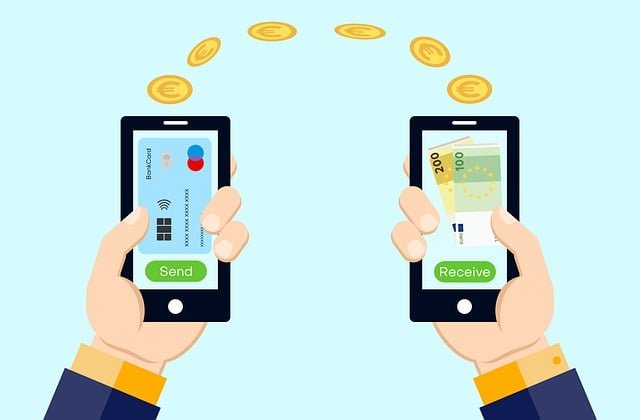
Digital transfers are entirely online-based. Mobile apps, web portals, and digital wallets all allow users to send funds via their smartphone or computer. No visiting a physical location required.
When you compare Paysend vs Moneygram, as an example, the differences are immediately clear to see. Digital platforms often have lower fees, shorter processing times and offer 24/7 service. Traditional providers offer in-person customer support and cash pickup locations.
The problem is that while both transfer types offer unique benefits. There is a clear trend in consumer behaviours as to which direction the market is headed.
Why Consumer Expectations Are Evolving
Consider the following statistics.
According to McKinsey’s 2024 survey, about nine out of ten Americans reported having used some form of digital payment in the past year. This is a marked shift in the way people interact with financial transactions.
The younger generations are at the heart of much of this change. Research has found that 85% of Gen Z prefer digital payments over cash and traditional means. Millennials follow at 82%.
But this is where it gets really interesting…
This isn’t just a case of age. Consumers across demographics are demanding faster service, lower costs, and greater transparency. Traditional transfer methods find it difficult to keep up with these expectations. Digital channels, on the other hand, were designed from the ground-up to address these exact pain points.
The global digital remittance market has reflected this demand. Valued at more than $25 billion in 2024, it is forecast to grow at around 15% per annum to 2034. That is the type of growth you only get with serious consumer demand.
Speed and Convenience Considerations
When it comes to speed, the expectations of consumers sending money abroad have never been higher.
With traditional transfers, one can expect the delivery time to be somewhere between one and five business days. Some services have longer delivery times to certain countries. The sender completes forms, the provider processes the data, and the receiver waits. It is a system that was acceptable when there were no other options.
Digital transfers, on the other hand, often arrive within minutes. Delivery on the same day has become the norm, rather than a premium service. Instant transfers to some countries and payment methods are also offered.
The convenience factor, though, does not stop with speed.
- Availability: Digital channels are available 24/7, while physical locations have specific business hours.
- Accessibility: Send money from wherever you are as long as you have an internet connection.
- Tracking: Get live updates on the transfer status.
- Documentation: All documents and records are stored digitally automatically.
Older providers are aware of this trend and are now adding online options to their services. But it is difficult to catch up with providers that were built from the ground up to be digital-first.
Costs That Count
Fees are one of the largest differentiating factors between digital and traditional money transfers.
Older providers often charge more in fixed fees, and their exchange rate margins are less favourable. A customer might pay $10-15 in fees on top of a further 3-5% hidden in the exchange rate. These expenses quickly add up for those sending money on a regular basis.
Digital platforms usually compete more aggressively on cost. Lower overheads mean that they can pass on more savings to the customer. Most of them display the total cost upfront, including all fees and the exact exchange rate.
To a person who is sending money home every month, these small differences can mean hundreds of dollars saved each year. It’s money that reaches the recipient rather than going down the drain.
What is also worth noting, though, is that the cheapest option is not always the best option. Reliability of service, quality of customer support, and the options available to the receiver also count. An option that is slightly more expensive but that arrives on time will always be preferable to a cheaper option that is delayed.
Security Concerns
The final challenge that digital transfers need to overcome is that of security.
It is not an entirely unfounded concern. Traditional providers have decades of experience and expertise handling overseas transactions. Regulated businesses with physical locations and established processes provide a sense of comfort. A sense that walking into a store to hand over cash to a person is tangible and, well, trustworthy.
Online-based digital platforms have an edge in modern security infrastructure. They use state-of-the-art encryption, multi-factor authentication and fraud monitoring systems. Regulatory compliance is also at a level where there is often little difference between traditional operators and major digital providers.
The reality is that both methods are secure when dealing with reputable businesses. The real danger is using unknown providers offering unrealistically low fees. But this rule applies regardless of whether you are choosing a digital provider or an older one.
Picking the Optimal Transfer Method
The best transfer method is ultimately dependent on your circumstances.
Digital transfers are an optimal choice for those consumers who value speed, convenience, and cost-effectiveness. In particular, for regular senders. Lower fees and the option to schedule repeat transactions are huge benefits. Anybody who is comfortable managing their finances on their phone will find online-based platforms intuitive and simple to use.
Traditional transfers are still valuable for those who need cash pickup in locations with limited or non-existent banking access. Some locations are, as yet, not set up for digital delivery. The option to speak to a human being also remains a necessity for complex situations.
Many modern consumers now use both digital and older transfer methods, choosing which is more suitable for a specific transaction. One method for regular monthly support, the other when sending to a new location for the first time. Flexibility is key.
Summing It All Up
Digital vs traditional money transfers is not just a case of technological advancement. This is a situation where consumer expectations around speed, costs and convenience are in a state of flux.
The market is clearly moving towards digital solutions. Market growth projections are not showing any signs of slowing down. Providers who have added online options to their services are playing catch-up to businesses that are built on being digital from the start.
At the same time, traditional providers are not going away any time soon. Their offerings serve a purpose that digital providers have, as of yet, not been able to replace. Cash pickup services and the ability to speak to someone in person remain important.
The smart way to look at it is to be aware of both options. Choosing what is the most suitable is based on the requirements of each individual transfer. Compare the fees, delivery times and the needs/preferences of the receiver. The best transfer method is the one that gets money where it needs to be, on time, and in the most affordable way possible.
Consumer expectations will continue to change. The providers who meet them will be those that will be the most successful. Those who do not will find themselves left behind in an increasingly digital world.

Our dedicated team gathers information from all the reliable sources to make the law accessible and understandable for everyone. We provide the latest legal news stories from across the country, delivered straight to you.