
Yes, caravans are legal in India—but their use, registration, and road permissions are strictly regulated.
The idea of traveling in a caravan—your own moving home—has gained popularity in recent years. Social media, road-trip culture, and the rise of van life have made people curious about owning or converting vehicles into caravans. It sounds simple: buy a van, modify it into a camper, and hit the road. But in India, things are not that straightforward.
Caravans sit in a sensitive legal space. They are not banned, but they are not freely allowed either. The law focuses heavily on safety, vehicle standards, and registration rules. If you don’t follow the proper process, your caravan can be treated as an illegal modification, leading to fines or even seizure.
Let’s understand this step by step.
What the Law Says
Caravans in India are governed by the Motor Vehicles Act, 1988 and related Central Motor Vehicle Rules.
A caravan is treated as:
- A motor vehicle
- Or a modified vehicle (if converted from an existing one)
This means:
- It must meet all safety and registration requirements
- Any structural modification must be approved
Are Caravans Allowed in India?
1. Factory-Built Caravans (Legal)
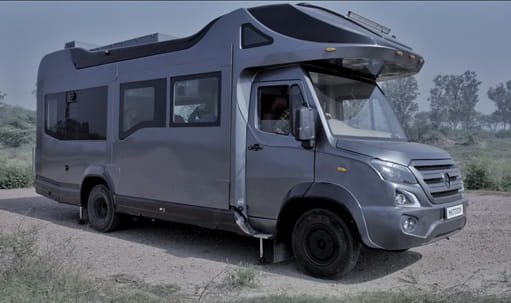
Caravans manufactured by approved companies are legal.
- They come with proper certification
- Already comply with government standards
- Can be registered directly
These are the safest and most hassle-free option.
2. Modified or Self-Built Caravans (Conditional)
If you convert a van, bus, or truck into a caravan:
- It is legal only with RTO approval
- Without approval, it is illegal
This is where most people face issues.
Rules for Caravan Conversion
If you want to build your own caravan, you must follow strict steps.
1. Prior Permission
Before starting modification:
- Inform your local RTO
- Submit details of proposed changes
2. Structural Compliance
Your caravan must meet safety norms:
- Proper seating and layout
- Safe electrical wiring
- Fire safety measures
- Weight limits within capacity
Major structural changes without approval are not allowed.
3. Inspection and Approval
After modification:
- The vehicle must be inspected
- Authorities verify safety and compliance
4. RC Update
Once approved:
- Registration Certificate must be updated
- Vehicle type may change (e.g., “motor caravan”)
Without this step, the caravan is illegal on paper.
Why Rules Are Strict
1. Safety Concerns
Caravans involve:
- Electrical systems
- Gas stoves
- Sleeping areas
Improper setup can cause:
- Fire hazards
- Accidents
2. Road Compatibility
Indian roads are not designed for large camper vehicles everywhere.
- Size and weight matter
- Stability and braking must be ensured
3. Prevent Illegal Modifications
Many people modify vehicles without proper design or testing.
The law prevents unsafe conversions.
State Policies and Tourism Push
Some states have started promoting caravan tourism.
For example:
- Kerala introduced caravan-friendly policies
- Approved parking and camping areas
However:
- Rules still apply
- Not all states have clear infrastructure
So legality does not always mean convenience.
Where You Can Use a Caravan
1. Public Roads
Allowed if:
- Vehicle is properly registered
- All documents are valid
2. Camping and Parking
This is tricky.
- You cannot park anywhere and stay overnight freely
- Some areas restrict camping
Best options:
- Designated caravan parks
- Private land with permission
When It Becomes Illegal
Your caravan can be illegal if:
- You modify without RTO approval
- RC is not updated
- Safety standards are ignored
- Vehicle exceeds allowed dimensions
In such cases:
- You may face fines
- Vehicle can be seized
Insurance and Legal Risks
If your caravan is not properly registered:
- Insurance claims can be rejected
- Accidents can lead to legal complications
Always ensure documentation is correct.
Common Misunderstandings
“Van conversion is easy and legal”
Not without approval. DIY conversions often break rules.
“I can live anywhere in my caravan”
Parking and camping laws still apply.
“No one checks modifications”
With stricter enforcement and inspections, this is no longer true.
Practical Advice
If you are planning to own a caravan:
- Prefer factory-built models
- If converting, follow legal process strictly
- Keep all documents updated
- Check local parking and camping rules
Ethical and Practical Perspective
Caravans offer freedom—but with responsibility.
- Respect local laws and communities
- Avoid illegal parking
- Maintain safety standards
This helps promote caravan culture in a positive way.
Final Thoughts
Caravans are legal in India, but not freely customizable without rules. Factory-built caravans are straightforward, while self-built ones require proper approval and documentation.
The key difference is simple: legal caravans follow the system, illegal ones bypass it.
If you follow the process, caravan travel can be a great experience. But if you ignore the rules, that same dream can quickly turn into legal trouble.

Our dedicated team gathers information from all the reliable sources to make the law accessible and understandable for everyone. We provide the latest legal news stories from across the country, delivered straight to you.