
Yes — hemp is legal in India, but only under specific conditions related to its use, cultivation, and THC content.
At first glance, hemp and cannabis seem like the same thing. That’s where most confusion begins. In reality, Indian law treats different parts and forms of the cannabis plant very differently. Hemp, especially industrial hemp, falls into a partially legal category.
So while hemp is allowed in India, it is not completely free from regulation. Its legality depends on how it is grown, processed, and used.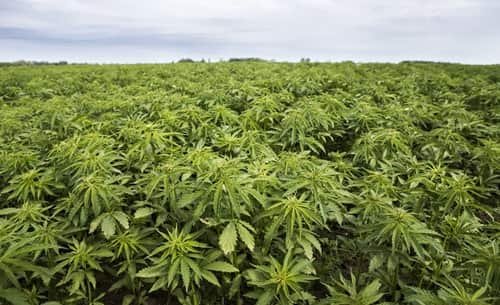
What Exactly is Hemp?
Hemp is a variety of the cannabis plant that contains very low levels of THC (the compound responsible for intoxication).
It is commonly used for:
- Textiles (hemp fabric)
- Seeds and oil
- Industrial products
- Wellness and medicinal products
Unlike marijuana, hemp does not produce a “high” when used properly.
What Indian Law Says
Hemp and cannabis are regulated under the Narcotic Drugs and Psychotropic Substances Act, 1985.
According to this law:
- The flowering tops and resin of the cannabis plant are illegal
- The leaves and seeds can be allowed under certain conditions
This distinction is crucial.
Hemp becomes legal only when it is derived from permitted parts or grown under authorization with low THC levels.
Industrial Hemp Cultivation
India allows cultivation of hemp—but only with permission.
Some states have taken steps to legalize industrial hemp farming.
Examples include:
- Uttarakhand
- Himachal Pradesh (in controlled trials)
In these states:
- Farmers need a government license
- THC levels must remain within limits (usually very low)
- Cultivation is monitored
Without a license, growing hemp is illegal—even if it has low THC.
Role of Ministry of AYUSH
Hemp-based products, especially oils and extracts, often fall under Ayurvedic or medicinal categories.
The Ministry of AYUSH allows certain cannabis-derived products for medical use.
This includes:
- Hemp-based oils
- Medicinal formulations
But these must:
- Be produced by licensed manufacturers
- Follow strict guidelines
- Often require medical supervision
THC Content: The Key Factor
The legality of hemp depends heavily on THC levels.
- Low THC hemp → Generally allowed (with conditions)
- High THC cannabis → Illegal
India does not always define a universal THC percentage like some countries, but enforcement focuses on whether the product causes intoxication.
So products marketed as “hemp” must stay within non-intoxicating limits.
Hemp Products in India
Hemp-based products are becoming more visible in India.
You can find:
- Hemp seed oil
- Hemp protein powder
- Hemp fabrics
- Skincare products
These are legal when:
- Made from approved parts (seeds/leaves)
- Properly processed
- Sold by licensed brands
Is Hemp the Same as Marijuana?
No—and this difference is very important.
- Hemp → Low THC, industrial and medical use, conditionally legal
- Marijuana (ganja/charas) → High THC, intoxicating, largely illegal
Many people confuse the two, but Indian law treats them very differently.
Illegal Aspects to Watch Out For
Even though hemp is legal, certain actions are still illegal:
- Growing hemp without a license
- Selling products with high THC
- Using hemp as a cover for illegal cannabis trade
- Buying unverified or unregulated products
Violating these can lead to serious legal consequences.
Social and Market Trends
Hemp is slowly gaining acceptance in India.
- Startups are entering the hemp industry
- Awareness about its benefits is increasing
- Government policies are gradually evolving
However, stigma still exists because of its association with cannabis.
Challenges in Regulation
India’s hemp laws are not fully uniform.
- Rules vary by state
- Licensing processes can be complex
- Awareness among consumers is still low
This creates confusion about what is allowed and what is not.
Should You Use Hemp Products?
If you are considering hemp products:
- Choose licensed and verified brands
- Check THC content and certifications
- Avoid unregulated sellers
- Use medical products under guidance
This keeps you within legal boundaries.
Final Verdict
Hemp is legal in India under controlled conditions, especially for industrial, medicinal, and non-intoxicating uses.
However, cultivation requires government permission, and products must comply with strict regulations. Anything outside these limits can become illegal under Indian law.
Our dedicated team gathers information from all the reliable sources to make the law accessible and understandable for everyone. We provide the latest legal news stories from across the country, delivered straight to you.