
 By Satyakam
 Snap Inc., the parent company of Snapchat, is facing intense legal attention in the United States after agreeing to settle a major class action lawsuit related to social media addiction and mental health harm. The case has drawn national interest because it challenges how social platforms design their apps — and whether they can be held responsible for the impact on young users.
This lawsuit is not just about one company. It represents a turning point in how courts may view the responsibility of tech giants toward their users, especially teenagers.
What the Lawsuit Is About
The case was filed by a young user who claimed Snapchat’s features encouraged compulsive use and caused serious emotional distress. According to the complaint, Snapchat allegedly used design elements like endless scrolling, notifications, and algorithm-driven content to keep users engaged for long periods.
The lawsuit argued that these features were not accidental. Instead, they were intentionally built to increase screen time, even when it negatively affected mental health.
The plaintiff accused Snap of negligence and product liability, saying the platform failed to warn users about potential risks tied to excessive use.
Rather than going to trial, Snap chose to settle the case shortly before jury selection was set to begin.
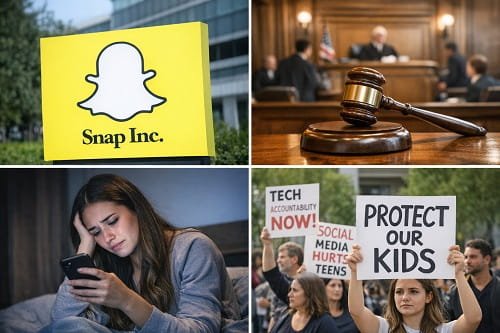
Why Snap Settled Before Trial
Snap did not publicly admit wrongdoing, but settling allowed the company to avoid a highly visible courtroom battle. A trial could have exposed internal documents, design strategies, and executive testimony, including statements from top leadership.
By settling early, Snap reduced legal risk and prevented potentially damaging information from becoming public.
From a business perspective, this move also helped stabilize investor confidence, as prolonged litigation often creates uncertainty around a company’s future.
Part of a Much Larger Legal Fight
This lawsuit is one of many similar cases filed across the United States against major social media companies. Platforms like Instagram, TikTok, and YouTube are also facing claims that their products contribute to addiction, anxiety, depression, and other mental health problems among young users.
Many of these cases have been grouped together under a single legal process, allowing one court to manage hundreds of related claims. These are often called “bellwether” cases — early trials meant to test legal arguments and guide future settlements.
Snap’s decision to settle is seen by many legal experts as significant, because it removes one major player from the first wave of trials while others continue to fight in court.
Why This Case Matters
This lawsuit goes beyond compensation. It raises deeper questions about accountability in the tech industry.
For years, social media companies have argued they are not responsible for how people use their platforms. These cases challenge that idea by focusing on product design rather than user behavior.
If courts decide that addictive design features can create legal liability, it could force major changes in how apps are built.
Possible outcomes include:
- Stronger safety tools for teens
- Limits on addictive features
- Clearer mental health warnings
- New government regulations
Parents, educators, and policymakers are closely watching these developments.
Impact on Snapchat Users
For everyday Snapchat users, nothing changes immediately. The app continues to operate as usual.
However, long term, this case could influence updates to platform features, especially those aimed at younger audiences. Companies may be pushed to prioritize well-being over engagement metrics.
Snap has already said it is investing in safety tools and parental controls, though critics argue more transparency is needed.
The Bigger Picture for Social Media
The Snap lawsuit highlights growing public concern about how digital platforms affect mental health. Studies and personal stories have increasingly linked heavy social media use with stress, sleep problems, and emotional struggles, especially among teenagers.
Courts are now being asked to decide whether tech companies should share responsibility for those outcomes.
Whatever happens next, this case marks a shift. Social media firms are no longer seen as untouchable. Legal pressure is rising, and the industry may soon face stricter standards around user safety.

Satyakam Pradhan is a professional law content writer with extensive experience in creating clear, well-researched, and reader-friendly legal content. With a strong understanding of laws and legal procedures.