
 By Satyakam
 The name JPMorgan has suddenly taken over news headlines, social media, and Google Trends. The reason is a high-profile lawsuit that mixes big money, politics, and one of the most powerful banks in the world. When a former U.S. president and America’s largest bank collide in court, attention is guaranteed.
Here’s a clear, simple breakdown of what happened, why it matters, and why people everywhere are talking about it.
What Is the JPMorgan Lawsuit About?
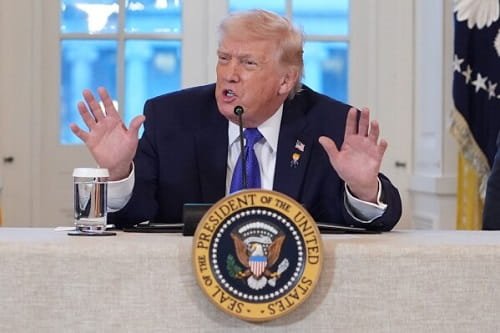
The trending lawsuit was filed by Donald Trump against JPMorgan Chase and its CEO Jamie Dimon.
Trump is seeking around $5 billion in damages, claiming that JPMorgan wrongfully closed his personal and business bank accounts in 2021. According to the lawsuit, the bank’s decision caused financial losses and harmed his business reputation.
The case was filed in a Florida state court and has quickly become one of the most talked-about legal stories of the year .
Why Were Trump’s Accounts Closed?
JPMorgan has said that the account closures were based on risk management and compliance concerns, not politics. Banks regularly review accounts to ensure they meet legal, regulatory, and reputational standards.
Trump, however, argues that the closures happened after the January 6, 2021 Capitol riot and were politically motivated. He claims the bank engaged in what he calls “political debanking”, suggesting that his political views led to financial discrimination .
Why Is This Lawsuit Trending So Much?
There are several reasons this case exploded online almost instantly.
First, the people involved.
A former U.S. president suing the largest American bank is not an everyday event. Add Jamie Dimon, one of the most influential CEOs on Wall Street, and the story naturally draws massive attention.
Second, the size of the claim.
A $5 billion lawsuit is enormous, even by Wall Street standards. Numbers like that grab headlines and spark debate.
Third, the politics angle.
The case has become part of a broader U.S. debate around whether banks unfairly deny services based on political beliefs. Supporters see it as a free-speech issue. Critics argue banks have the right to manage risk.
Fourth, the timing.
The lawsuit comes during a tense period in U.S. politics and growing scrutiny of large financial institutions, making it fuel for nonstop discussion on TV and social media .
What Is JPMorgan’s Response?
JPMorgan has firmly denied the allegations. The bank released a statement saying it does not close accounts for political reasons and follows strict legal and regulatory guidelines.
The company has indicated it plans to vigorously defend itself in court and believes the lawsuit has no legal merit. So far, JPMorgan has not shown signs of settling or backing down .
Why This Case Matters Beyond Trump and JPMorgan
This lawsuit is bigger than just two powerful names.
If Trump’s claims gain legal traction, it could change how banks handle high-profile or controversial clients. Financial institutions may face more pressure to justify account closures publicly.
On the other hand, if JPMorgan wins decisively, it could reinforce banks’ authority to manage reputational and regulatory risk without fear of political retaliation.
Either outcome may shape future banking policies in the U.S. and possibly influence how other countries approach similar issues.
What Happens Next?
The case is still in its early stages. Courts will first examine whether Trump’s claims meet the legal threshold to proceed. JPMorgan is expected to file motions challenging the lawsuit.
Because of the political stakes and the money involved, legal experts expect the case to move slowly and attract continuous media coverage. Even preliminary hearings could trigger new waves of headlines.
Final Thoughts
The JPMorgan lawsuit is trending because it sits at the crossroads of money, power, and politics. A former president accusing the world’s biggest bank of political discrimination is bound to dominate public conversation.
Whether the lawsuit succeeds or fails, it has already reignited a larger debate about banking power, free speech, and corporate responsibility. That’s why this story isn’t fading anytime soon—and why it’s likely to keep trending for weeks to come.

Satyakam Pradhan is a professional law content writer with extensive experience in creating clear, well-researched, and reader-friendly legal content. With a strong understanding of laws and legal procedures.