
Los Angeles has long been an important transportation and logistics hub, with rail networks supporting the movement of people and goods throughout the region and beyond. Railroad employees working within this system can face demanding conditions that require specialized skills, constant attention, and interaction with powerful machinery. When a worker is injured, understanding the available legal protection becomes particularly important because railroad injury claims do not follow the same framework as ordinary workplace injury cases.
The Federal Employers’ Liability Act provides a distinct path for eligible railroad employees when employer negligence contributes to an injury, making the circumstances surrounding the incident especially significant. Navigating that process can be challenging when an injured worker is also dealing with medical treatment, lost income, and uncertainty about returning to work. A Poolson Oden FELA lawyer can help injured railroad employees understand how FELA may apply to their circumstances and what legal steps may be available. Early guidance can also help protect a worker’s rights.
What Does FELA Cover?
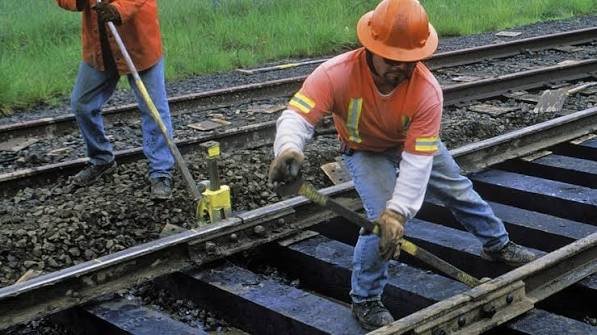
FELA applies to railroad employees injured while performing work connected with interstate railroad operations. Unlike a standard workers’ compensation system, FELA requires the worker to show that the railroad’s negligence played a part in causing the injury. Negligence need not be the only cause. Unsafe equipment, inadequate training, poor supervision, defective work practices, or hazardous conditions can support a claim when the evidence connects them to the injury. A worker does not need to prove that the railroad intended to cause harm. The claim focuses on whether the employer failed to provide reasonably safe working conditions and whether that failure contributed to the injury.
How a FELA Claim Differs From Workers’ Compensation
Workers’ compensation generally provides benefits without requiring proof of employer fault. FELA works differently. The injured railroad employee must establish that the railroad’s negligence contributed to the harm. That burden does not require proof beyond all doubt. Evidence must show that the railroad’s conduct played some part in producing the injury. Even a relatively small contribution can matter under FELA, although the worker’s recovery can decrease when the worker’s own negligence contributed to the event. The railroad often investigates an incident quickly. Its representatives may interview the employee, collect statements, inspect equipment, and review workplace records. An injured worker should provide accurate information but should avoid guessing about causes or minimizing symptoms.
Evidence That Can Support a Claim
A strong case begins with prompt evidence preservation. Important materials can include:
- Accident reports and injury notifications
- Photographs of equipment, tracks, tools, and the work area
- Names and contact information for witnesses
- Dispatch records, training documents, and safety instructions
- Medical records, bills, and restrictions from healthcare providers
- Pay records showing missed work or reduced earnings
Damages Covered in FELA Cases
A successful FELA claim can address losses caused by the injury. Recoverable damages may include past and future medical expenses, lost wages, reduced earning capacity, physical pain, and diminished quality of life. The value of a claim depends on its facts, not simply the diagnosis. A worker with the same injury as another employee may have different damages because of age, job duties, treatment needs, pay history, and long-term restrictions. Occupational illnesses require careful medical analysis. Conditions linked to chemical exposure, repetitive trauma, noise, or vibration can develop gradually. Employment records and medical opinions help establish when exposure occurred and how it relates to the condition.
Deadlines and Practical Next Steps
FELA generally gives an injured railroad worker three years to file a claim. The deadline can involve complicated questions, especially with occupational diseases that develop over time. Waiting can also cause witnesses, records, and physical evidence to disappear. After an injury, the worker should report the incident in accordance with workplace procedures, seek medical care, document symptoms, and keep copies of all related records. The worker should also avoid signing a release or giving a recorded statement about fault before receiving legal advice. A prompt case review helps identify possible responsible parties. Depending on the facts, responsibility may involve the railroad, an equipment manufacturer, a contractor, or another party. Separate claims can carry different rules and deadlines.
Conclusion
A FELA claim requires evidence that railroad negligence contributed to an injury, along with proof of the worker’s financial and personal losses. Prompt medical care, accurate reporting, preserved records, and careful communication protect the claim’s foundation. An injured railroad employee should write down what happened, gather employment and treatment documents, and speak with a FELA attorney before accepting payment or signing paperwork. Early action gives the worker more time to investigate facts and meet applicable deadlines.

Our dedicated team gathers information from all the reliable sources to make the law accessible and understandable for everyone. We provide the latest legal news stories from across the country, delivered straight to you.