
 By Satyakam
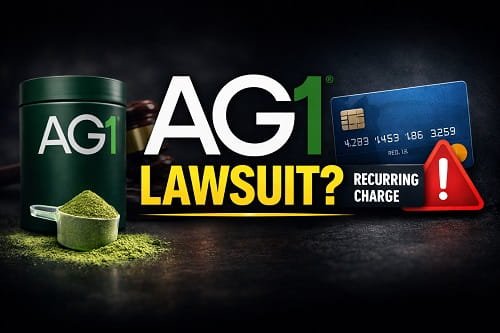
 Search interest around the AG1 lawsuit has increased sharply in recent weeks. This isn’t happening by accident. It’s the result of a newly filed legal case, rising public concern about subscription billing, and the huge online presence of the AG1 brand. When these factors come together, curiosity grows fast.
A Lawsuit That Recently Came Into Focus
The main reason behind the sudden attention is a class-action lawsuit filed in early February 2026 against AG1, formerly known as Athletic Greens.
The lawsuit alleges that some customers were enrolled into recurring subscription charges without clear, informed consent. According to the complaint, consumers believed they were making a one-time purchase, only to later discover repeat monthly charges. The filing also claims that the cancellation process was not made obvious or easy.
Once this case appeared on consumer law and class-action tracking websites, awareness spread quickly. As happens with many subscription-related disputes, public curiosity followed almost immediately.
Subscription Billing Has Become a Hot-Button Issue
Subscription billing practices are under intense scrutiny worldwide. Over the past few years, regulators and consumer advocates have focused heavily on automatic renewals, unclear disclosures, and checkout designs that nudge users into recurring payments.
Because of this climate, even the mention of a lawsuit involving subscriptions makes people uneasy. Many search simply to check whether they might be affected or whether their past experience matches the claims being made.
This explains why searches don’t stop at the lawsuit alone. Related queries like “AG1 subscription,” “AG1 cancel,” and “AG1 charges” often rise alongside it.
AG1’s Visibility Amplifies Attention
AG1 is not a low-profile brand. It has been promoted extensively by athletes, podcasters, fitness influencers, and wellness creators. Millions of people have either tried the product or considered doing so.
When a highly visible brand faces legal questions, attention multiplies. People who were on the fence about buying start researching. Existing customers double-check their billing history. Even casual viewers who hear about the issue in passing often search just to understand what’s going on.
Brands built through influencer trust tend to face faster public reactions when controversy appears.
A Lawsuit Is Not a Verdict
It’s important to be clear: a lawsuit represents allegations, not conclusions. No court has ruled against AG1 at this stage.
However, search behavior doesn’t wait for verdicts. People search when they feel uncertain. The presence of legal claims alone is enough to trigger widespread interest, especially when money and recurring charges are involved.
That uncertainty is what fuels sustained searches, not just short bursts of attention.
Class-Action Coverage Extends the Life of the Story
Once a case is listed on class-action websites, it often reaches a second audience. These platforms are widely shared on social media, forums, and consumer complaint boards.
People visiting these sites are usually looking for direct answers: whether they qualify, what the case is about, and what steps they should take next. Each new article, update, or repost keeps the topic alive in search results.
Wellness Products Face Extra Scrutiny
Supplements and wellness products are always examined more closely than everyday consumer goods. Many people already feel cautious about health-related purchases, pricing, and marketing claims.
So when legal news touches a wellness brand, some users assume the issue could be broader, even if the lawsuit focuses narrowly on billing practices. That assumption drives additional searches and discussions.
What Happens Next
Legal cases move slowly. As filings progress or responses are issued, public interest may rise again in waves. Until the matter is resolved, people will continue searching for clarity.
For now, the increase in searches reflects concern and curiosity, not an outcome.

Satyakam Pradhan is a professional law content writer with extensive experience in creating clear, well-researched, and reader-friendly legal content. With a strong understanding of laws and legal procedures.