In the medical and health industry, operational efficiency is not just a goal but a necessity. One of the critical areas needing improvement is the management of medical equipment. The ability to streamline Equipment Booking can significantly enhance workflow efficiency, reducing downtime and ensuring that healthcare professionals have the tools they need when they need them. This article will explore how optimizing Equipment Booking systems can transform operational processes, the technologies that facilitate these improvements, the benefits of centralized booking, and strategies for managing equipment effectively.
How Streamlining Equipment Booking Transforms Workflow Efficiency
Efficient workflow is crucial in medical settings, where time and resources are often limited. By streamlining Equipment Booking, healthcare facilities can ensure that equipment is available where and when it’s needed. For instance, integrating Clinical Decision Support Systems with booking platforms allows for real-time updates and notifications, minimizing the risk of double bookings or equipment shortages. Moreover, a streamlined booking process reduces administrative burdens, freeing up staff time for patient care and other essential tasks. Utilizing a system that supports EMR Interoperability ensures that equipment usage data is easily accessible and can be integrated into electronic medical records, providing a comprehensive view of resource allocation. An effective way to manage this is through Equipment Booking, which ultimately supports Value-Based Care Models by helping facilities deliver better patient outcomes through timely access to necessary equipment.
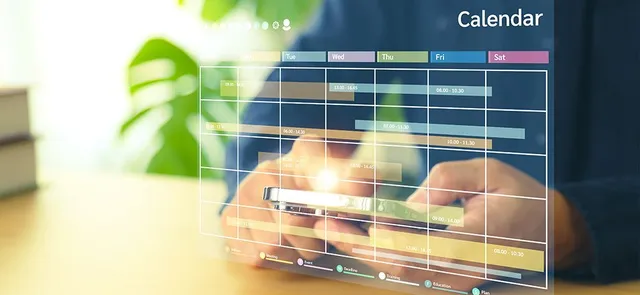
Key Technologies Driving Efficient Equipment Reservation Systems
Several technologies are pivotal in driving efficient equipment reservation systems. One such technology is Patient Portals, which can be adapted to manage equipment availability and scheduling, providing a user-friendly interface for healthcare providers to reserve equipment. Additionally, leveraging Telehealth Integration can facilitate remote monitoring of equipment usage, further enhancing efficiency.
ICD-10 Coding, often used for diagnostic and billing purposes, can also enhance equipment management by providing precise data that informs equipment allocation based on patient needs. This ensures that the right tools are available for specific procedures and conditions.
Furthermore, utilizing technologies that adhere to Meaningful Use Criteria ensures that Equipment Booking systems are not only efficient but also secure, protecting patient and facility data while optimizing operations.
Impact of Centralized Booking on Resource Utilization
Centralized booking systems have a profound impact on resource utilization in healthcare settings. By consolidating booking processes, facilities can ensure that equipment is utilized optimally, reducing idle time and maximizing availability. This centralization supports evidence-based practice guidelines by ensuring that equipment is allocated based on clinical necessity rather than convenience.
For example, a centralized system that integrates with Continuity of Care Documents can provide a holistic view of equipment needs across different departments, facilitating better coordination and reducing the likelihood of resource wastage.
Additionally, centralized booking systems can improve the accuracy of Utilization Review processes, allowing for more precise adjustments in equipment allocation and potentially lowering costs associated with overbooking or underutilization.
Strategies for Optimizing Equipment Management Processes
Optimizing equipment management processes involves several strategic approaches. Implementing a robust Equipment Booking system, like the one offered by Equipment Booking, can significantly enhance operational efficiency. Such systems often include features like automated scheduling, alerts for maintenance needs, and integration with existing hospital IT infrastructure.
Another strategy is to incorporate Payer Contracting insights into equipment management, ensuring that the cost of equipment usage aligns with reimbursement rates. This can involve using CPT Modifiers to better track and manage equipment-related expenses.
Finally, adopting a proactive approach to equipment maintenance and management, guided by Medical Necessity Criteria, can prevent equipment failures and ensure that critical tools are always operational. This strategy not only supports patient care but also aligns with the goals of Risk Adjustment Factor models by managing resources efficiently.
Conclusion
Streamlining Equipment Booking is a vital step toward enhancing operational efficiency in the medical and health industry. By leveraging advanced technologies and adopting centralized systems, facilities can optimize resource utilization, improve patient outcomes, and reduce operational costs. For healthcare providers, investing in efficient equipment management processes translates to better service delivery and supports overarching goals of patient-centered care.
Our dedicated team gathers information from all the reliable sources to make the law accessible and understandable for everyone. We provide the latest legal news stories from across the country, delivered straight to you.