
Traffic stops can be stressful situations, and many people want to document their interactions with law enforcement for safety, accountability, or legal reasons. This raises a common question about whether recording police activity during a traffic stop is allowed. No. It is not generally illegal to record police officers during a traffic stop in Pennsylvania when the recording is done in a lawful manner and does not interfere with police duties. The First Amendment generally protects the right to record government officials, including police officers, performing their duties in public. However, Pennsylvania’s privacy and wiretap laws may create legal issues if a recording captures private conversations without proper consent, especially when audio is involved.
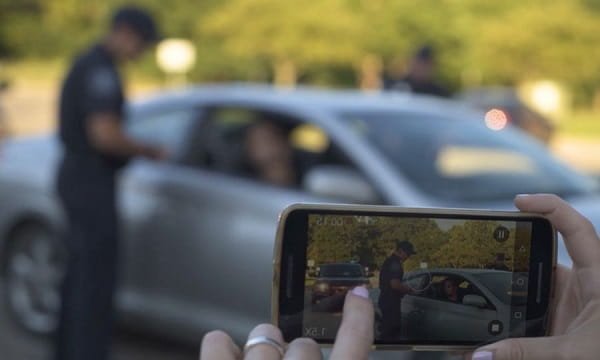
Is Recording Police Protected by the First Amendment?
Yes.
The First Amendment generally protects the ability to record police officers carrying out official duties in public places.
This protection exists because recording can serve important purposes, including:
- Documenting police conduct.
- Creating evidence of events.
- Promoting government accountability.
- Supporting legal claims.
- Protecting individual rights.
The right to record is not unlimited, and it must be exercised without interfering with lawful police actions.
Can You Record During a Traffic Stop?
Generally, yes.
A person may typically record a traffic stop if:
- They are in a lawful location.
- They do not physically interfere with the officer.
- They follow lawful instructions regarding safety.
- They do not obstruct the investigation.
- The recording is not used for unlawful purposes.
A police officer generally cannot order someone to stop recording solely because the officer does not want to be recorded.
Pennsylvania Wiretap Law and Audio Recording
Pennsylvania has strict laws concerning the recording of private conversations.
The state generally follows an “all-party consent” approach for certain private communications, meaning that consent may be required from all parties before recording a private conversation.
This creates an important distinction:
- Recording a public interaction with police is generally protected.
- Secretly recording a private conversation where participants have a reasonable expectation of privacy may create legal issues.
The specific facts determine whether a recording violates Pennsylvania law.
When Can Recording Create Legal Problems?
Recording police may become problematic if someone:
- Interferes with an officer’s duties.
- Physically obstructs an investigation.
- Trespasses to obtain a recording.
- Records private conversations unlawfully.
- Uses recording equipment in violation of another law.
- Creates a safety risk during the traffic stop.
The issue is usually the manner of recording, not the act of documenting police activity itself.
Can Police Order You to Delete a Recording?
Generally, police officers cannot require someone to delete a lawful recording simply because they do not want it recorded.
Deleting evidence without legal authority may raise additional concerns.
However, officers may take lawful actions related to evidence preservation or investigations under specific circumstances.
Individuals should avoid physically resisting officers and should address disputes through appropriate legal channels.
Common Misunderstandings
Several misconceptions exist about recording police officers.
One common misunderstanding is that recording any police officer is automatically illegal. In many situations, recording officers performing public duties is constitutionally protected.
Another misconception is that police officers always need permission before being recorded. Public officials performing official duties generally have reduced expectations of privacy in public settings.
Best Practices When Recording a Traffic Stop
If you choose to record a traffic stop, consider the following:
- Keep your hands visible.
- Avoid sudden movements.
- Do not interfere with the officer’s instructions.
- Use a mounted camera or phone recording feature when possible.
- Remain calm and respectful.
- Preserve the recording after the interaction.
These steps can help protect both safety and legal rights.
Why Legal Advice Is Important
Questions involving police recordings may involve constitutional rights, Pennsylvania privacy laws, criminal law, and evidence rules.
A qualified Pennsylvania civil rights or criminal defense attorney can evaluate whether a recording was lawful, explain your rights during police encounters, and assist if there are disputes involving law enforcement conduct.
Legal guidance can be especially important if a recording becomes part of a criminal or civil case.
Conclusion
Recording police officers during a traffic stop in Pennsylvania is not generally illegal when the recording is made lawfully and does not interfere with police duties. The First Amendment protects much of this activity, but Pennsylvania’s privacy and wiretap laws may apply in situations involving private audio conversations. Individuals should understand their rights while also respecting lawful safety instructions and avoiding interference with police activity.
FAQs
Q: Is it illegal to record a police officer during a traffic stop in Pennsylvania?
A: No. Recording police activity during a traffic stop is generally lawful if it does not interfere with the officer’s duties or violate privacy laws.
Q: Do I need a police officer’s permission to record them?
A: Generally, no, when recording a public interaction with police officers performing their duties.
Q: Can police make me delete a recording?
A: Generally, officers cannot require deletion of a lawful recording simply because they do not want to be recorded.
Q: Does Pennsylvania’s wiretap law apply to police recordings?
A: It may apply to certain private audio conversations, but recording public police activity is generally treated differently.
Q: Can I be arrested for recording police?
A: A person generally cannot be arrested simply for lawfully recording police activity, but unlawful interference or other violations may lead to legal consequences.

Our dedicated team gathers information from all the reliable sources to make the law accessible and understandable for everyone. We provide the latest legal news stories from across the country, delivered straight to you.