
Balloon releases are often used for celebrations, memorials, and public events, but balloons that escape into the environment can create risks for wildlife. Although Pennsylvania does not have a coastline, balloons released within the state can travel through waterways and eventually reach oceans, lakes, or rivers where they may harm animals. Yes. It can be illegal to release balloons that harm marine wildlife in Pennsylvania when the release violates environmental regulations, littering laws, or local restrictions designed to protect wildlife and natural resources. Intentionally releasing balloons that become pollution or cause harm to animals may result in fines, penalties, and other legal consequences.
The legality of balloon releases depends on the circumstances, including the location, number of balloons released, materials used, and whether the activity violates state or local rules.
Why Are Balloon Releases a Wildlife Concern?
Balloons may appear harmless when released into the sky, but they eventually return to the environment as litter.
Escaped balloons can:
- Enter rivers and streams.
- Travel long distances.
- Become waste in natural areas.
- Harm wildlife that mistake them for food.
Animals may become injured or die after interacting with balloon debris.
How Can Balloons Harm Marine Wildlife?
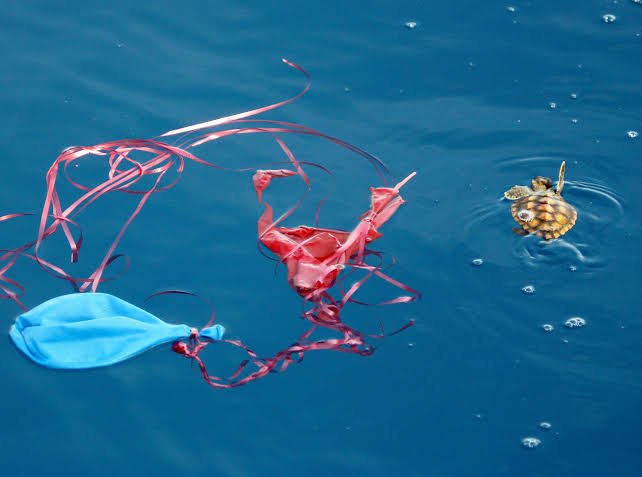
When balloons reach oceans or waterways, they can threaten marine animals.
Potential harms include:
- Sea animals swallowing balloon pieces.
- Wildlife becoming trapped in balloon strings.
- Blocked digestive systems.
- Injury from plastic or synthetic materials.
Even balloons released far from the ocean may contribute to pollution that affects aquatic ecosystems.
Pennsylvania Laws Regarding Balloon Releases
Pennsylvania does not have a statewide ban on every balloon release. However, releasing balloons may create legal issues under environmental and littering laws.
Rules may apply when balloon releases:
- Create pollution.
- Become litter.
- Damage natural resources.
- Violate local ordinances.
Municipalities may also establish their own restrictions on balloon releases.
Are Balloon Releases Automatically Illegal in Pennsylvania?
No.
Not every balloon release automatically results in a legal violation.
Factors that may affect legality include:
- Whether the balloons are intentionally released.
- Whether they contain harmful attachments.
- Whether they create litter.
- Whether local laws restrict the activity.
However, large organized releases are more likely to create environmental concerns.
What Happens If Balloons Cause Environmental Harm?
If a balloon release causes pollution or wildlife damage, possible consequences may include:
- Fines.
- Littering penalties.
- Environmental enforcement actions.
- Civil liability for damages.
- Required cleanup efforts.
The seriousness of penalties may depend on:
- The amount of waste created.
- The harm caused.
- Whether the release was intentional.
- Applicable local regulations.
Are Certain Balloon Materials More Harmful?
Yes.
Some balloon materials and accessories create greater environmental risks.
Examples include:
- Plastic attachments.
- Metallic balloon coatings.
- Long strings or ribbons.
- Non-biodegradable materials.
Even balloons marketed as biodegradable may take significant time to break down and can still create hazards.
Are Memorial or Charity Balloon Releases Allowed?
They may still create environmental concerns.
A release done for a good cause does not automatically eliminate legal responsibilities.
Organizations conducting events should consider alternatives such as:
- Planting memorial trees.
- Using bubbles.
- Holding candlelight events.
- Displaying reusable decorations.
These options avoid creating wildlife hazards.
Can Someone Report Harmful Balloon Releases?
Yes.
Residents may report suspected environmental violations involving:
- Large balloon releases.
- Balloon debris in waterways.
- Wildlife injuries.
- Repeated pollution from events.
Reports may be directed to local authorities or environmental agencies.
Common Misunderstandings
Several misconceptions exist about balloon releases.
One common misunderstanding is that balloons disappear after they float away. In reality, they often return as litter and may travel into sensitive habitats.
Another misconception is that releasing balloons is harmless because they are lightweight. Balloon debris can still injure wildlife and contribute to pollution.
Some people also believe that private events are exempt from environmental rules. Activities on private property can still create environmental responsibilities.
What Should People Do Instead of Releasing Balloons?
Safer alternatives include:
- Using reusable decorations.
- Organizing environmentally friendly memorials.
- Planting trees.
- Creating art displays.
- Using digital messages or displays.
These options allow celebrations without creating wildlife hazards.
Why Legal Advice Is Important
Environmental issues involving balloon releases may involve litter laws, local ordinances, wildlife protection rules, and liability concerns.
A qualified Pennsylvania environmental attorney can review whether a specific balloon release violated applicable laws, explain potential penalties, and assist with disputes involving environmental harm.
Legal advice may be especially useful for event organizers, businesses, or organizations planning large public gatherings.
Conclusion
Releasing balloons that harm marine wildlife in Pennsylvania can be illegal when the activity creates environmental pollution, violates littering laws, or causes harm to protected wildlife. While not every balloon release is automatically prohibited statewide, releasing balloons into the environment can create legal and ecological risks. Individuals and organizations should consider environmentally safe alternatives to prevent wildlife harm and avoid potential penalties.
FAQs
Q: Is releasing balloons illegal everywhere in Pennsylvania?
A: No. Pennsylvania does not prohibit every balloon release, but harmful releases may violate environmental or local laws.
Q: Can balloons released in Pennsylvania affect marine animals?
A: Yes. Balloons can enter waterways and eventually contribute to pollution affecting aquatic wildlife.
Q: Can someone be fined for releasing balloons?
A: Yes. Penalties may apply if the release violates littering, environmental, or local regulations.
Q: Are biodegradable balloons completely safe?
A: No. They may still pose risks to wildlife and can take time to break down.
Q: What are alternatives to balloon releases?
A: Reusable decorations, tree planting, and other environmentally friendly activities are safer alternatives.

Our dedicated team gathers information from all the reliable sources to make the law accessible and understandable for everyone. We provide the latest legal news stories from across the country, delivered straight to you.