
Unexpected accidents can leave individuals overwhelmed, uncertain about their rights, and unsure of what steps to take next. Timing plays a critical role, as early action helps safeguard evidence, preserve available options, and limit long-term risk. Many claims falter not because the facts are weak, but because guidance arrives too late.
Recognizing when to seek legal support helps align decisions with recovery goals and fair outcomes. Delays can reduce compensation, weaken leverage, and increase personal strain. Clear awareness of timing brings greater control, confidence, and clarity while navigating post-accident processes. Purposeful action from the outset supports stability and informed decision-making.
Immediate Legal Awareness
After an accident, clarity comes from understanding responsibilities, deadlines, and risk exposure early. The safest window to act often begins once basic safety needs are settled. Early awareness prevents missteps that can weaken a claim later.
During this stage, many people choose to Contact Corpus Christi personal injury lawyers to better understand liability, documentation needs, and communication boundaries. This step supports evidence protection and helps avoid statements that could be misunderstood. Early guidance also aligns actions with recovery plans and financial realities while stress remains high.
Evidence Preservation Steps
Early documentation strengthens credibility and protects factual accuracy.
• Secure scene details using photos, notes, and witness names to protect factual clarity
• Record time sequences carefully to avoid memory drift during stressful recovery periods
• Store records safely to prevent loss, damage, or later confusion
• Avoid informal admissions that may distort responsibility assessments
Insurance Communication Timing
Insurers often contact individuals quickly with structured questions. Timing matters because early statements shape narratives. Speaking too soon without guidance can narrow options, while waiting too long can raise doubts.
A balanced approach involves acknowledging contact while limiting detail until counsel provides direction. This reduces the risk of misinterpretation while maintaining cooperation. Strategic timing protects interests without escalating conflict.
Liability Complexity Signs
Understanding complexity helps determine when guidance becomes essential.
• Multiple parties involved increase fault disputes and delay fair resolution
• Conflicting accounts suggest deeper analysis beyond surface narratives
• Serious injuries elevate financial stakes and long-term impact considerations
• Unclear responsibility requires a structured investigation and legal framing
Statute Awareness Window
Legal deadlines exist to promote timely resolution. Missing them can end claims regardless of merit. Awareness of filing windows supports planning and prevents rushed decisions later.
Early review clarifies timelines for notices, documentation, and negotiations. This knowledge allows measured progress rather than reactive choices under pressure.
Settlement Offer Signals
- Early offers may undervalue long-term effects and future costs
• Pressure tactics aim to close claims before full assessment
• Limited explanations suggest gaps in fairness evaluation
• Deadlines imposed quickly reduce informed consent quality
Forward Path Insight
Decisions made soon after an accident shape outcomes months or years later. Timely guidance supports balanced choices, evidence-based care, and calm communication. The right moment often arrives when clarity meets uncertainty and support reduces strain.
Solutions focus on aligning recovery with rights while avoiding rushed acceptance or harmful silence. When questions grow or complexity rises, many choose to Contact Corpus Christi personal injury lawyers to protect stability, fairness, and informed planning while moving forward with steady confidence toward resolution.
Claim Success Comparison
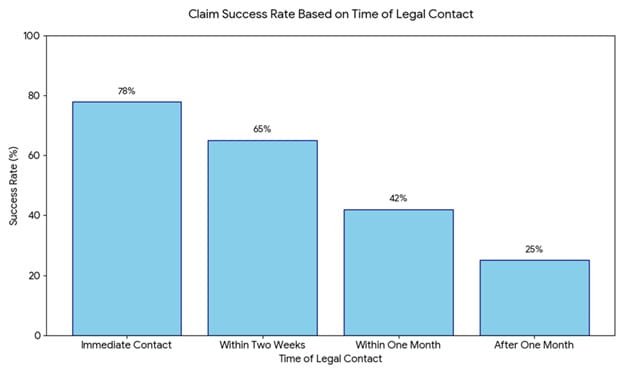
Research across injury claim outcomes shows that timing directly affects claim strength. Industry data indicates nearly 65 percent of successful injury claims involved legal consultation within the first two weeks after an incident.
Early involvement helps preserve factual records, witness memory accuracy, and communication control. Claims delayed beyond one month often face reduced compensation due to missing documentation, inconsistent statements, or missed procedural steps. These findings highlight that legal timing is not reactive support but a preventive decision that shapes outcome reliability and financial recovery over time.
Frequently Asked Questions
How soon is too soon to seek legal help?
There is no negative impact from early guidance once immediate safety concerns are addressed.
Can waiting affect compensation value?
Yes, delays often reduce claim strength due to lost records and weaker negotiation positions.
Should legal contact happen before insurance discussions?
Legal advice before detailed insurance statements helps prevent misinterpretation or undervaluation.
Is legal help needed for minor injuries?
Minor cases can still involve hidden costs, future effects, or disputed responsibility concerns.

Our dedicated team gathers information from all the reliable sources to make the law accessible and understandable for everyone. We provide the latest legal news stories from across the country, delivered straight to you.