
After a crash, most people focus on pain, repairs, and missing work. In the chaos, evidence feels like something to deal with later. Insurance companies count on that. They look for gaps they can use to question your injuries or shift blame. In this article, we’ll outline five evidence mistakes that can weaken an otherwise strong car accident claim.
1. Not getting legal help early enough
Many people wait to talk to a Salt Lake City car accident attorney until an adjuster has already taken statements and made an offer. By then, video footage may be erased, witnesses may have gone silent, and the car might be repaired without detailed photos.
Early legal help is about protecting your rights, not starting a fight. A lawyer can tell you what to save, what to avoid saying, and how to handle calls from the insurer. That guidance makes it much harder for the company to exploit missing or messy evidence later.
2. Relying only on the police report
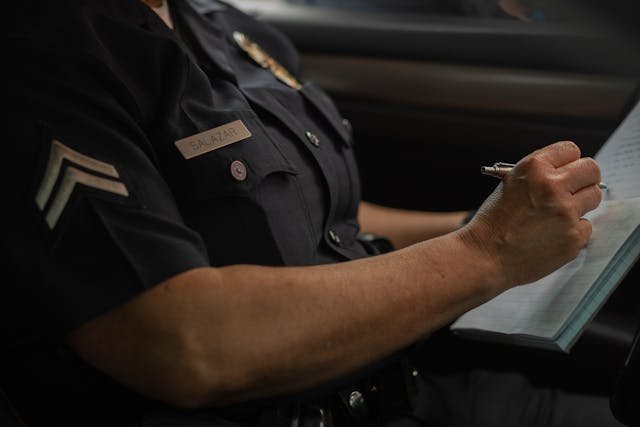
Police reports matter, but they are not perfect records. Officers arrive after the crash, get quick stories, and make decisions fast. Important facts can be rushed, missed, or even written down incorrectly.
Treat the report as a starting point. Write your own account while the memory is fresh. Save photos, videos, texts, and names of witnesses. If you see clear mistakes in the police report, ask about fixing them. When the adjuster leans hard on the report, your extra documentation helps balance the story.
3. Skipping or delaying medical care
Many people wait to see if the pain will fade. Insurance companies use that gap against you. They argue that if you were really hurt, you would have seen a doctor right away, or that something else caused your symptoms.
If anything feels off, get checked soon. Explain to your doctor that your pain started after the crash. Be sure to follow through on referrals and therapy, and keep any visit summaries, test results, and bills together. A steady medical trail ties your injuries to the collision and gives the insurer less room to argue.
4. Letting social media undercut your injuries
After a scary crash, it is normal to post that you are “fine” so family members and friends do not panic. Later, these words show up in an adjuster’s file. Photos from a birthday, a hike, or a night out can also be twisted, even if you pushed through pain to be there.
The safest move is to stay quiet about the crash online. Do not share injury updates, settlement talk, or details about the other driver. Tighten privacy settings, but assume insurance might still see your posts.
5. Ignoring the “small” day-to-day losses
Big hospital bills get attention, but smaller losses slide by. Extra rides, missed overtime, paid help with childcare or chores, and the events you skip because you hurt rarely show up in people’s records.
Start a simple log. Write the date, what happened, and what it cost in money or missed time. Be sure to save receipts and screenshots. Over weeks and months, that notebook turns into concrete proof of how the crash changed your daily life.
Endnote
A strong car accident claim is built on details. When you protect evidence, seek care, stay careful online, and track your real losses, you close the gaps insurers rely on. These habits, plus solid legal guidance, give you a better chance at a settlement that reflects what you have actually been through.

Our dedicated team gathers information from all the reliable sources to make the law accessible and understandable for everyone. We provide the latest legal news stories from across the country, delivered straight to you.
 Satyakam