
Septic systems are commonly used in areas without access to public sewer systems, but they must be designed, installed, and maintained properly to protect groundwater and public health. When septic waste is improperly handled, it can contaminate drinking water supplies, damage ecosystems, and create health risks. Yes. It is generally illegal to pollute groundwater through improper septic disposal in Pennsylvania because state and local regulations require septic systems to be properly installed, operated, and maintained to prevent environmental contamination. Improper disposal of sewage or failure of a septic system that contaminates groundwater may result in fines, enforcement actions, repair requirements, and other legal consequences.
The legality of a septic disposal issue depends on the cause of contamination, the condition of the system, applicable regulations, and whether required maintenance or approvals were followed.
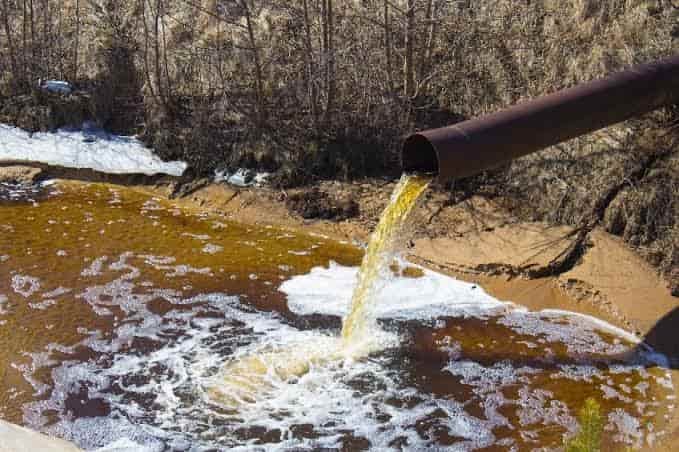
Pennsylvania Regulation of Septic Systems
Pennsylvania regulates onsite sewage systems through environmental and public health laws.
These rules are designed to:
- Protect groundwater supplies.
- Prevent disease transmission.
- Control sewage pollution.
- Protect nearby properties.
- Maintain environmental quality.
Local municipalities and authorized agencies may also oversee septic system permits, inspections, and enforcement.
How Can Septic Systems Pollute Groundwater?
A properly designed septic system treats wastewater safely, but improper disposal can introduce contaminants into groundwater.
Problems may occur because of:
- Poor system design.
- Improper installation.
- Lack of maintenance.
- Overloading the system.
- Illegal sewage discharge.
- Damaged septic components.
Contaminated groundwater may affect wells, streams, and surrounding land.
Is Dumping Septic Waste on Land Illegal?
Generally, yes.
Discharging untreated sewage or septic waste onto the ground or into waterways is typically prohibited because it can create environmental and health hazards.
Illegal disposal may contaminate:
- Drinking water sources.
- Neighboring properties.
- Surface water.
- Soil.
Proper disposal must follow approved waste management procedures.
Are Property Owners Responsible for Septic Problems?
Yes, property owners generally have responsibilities for maintaining their septic systems.
Responsibilities may include:
- Regular inspections.
- Proper pumping.
- Repairing failures.
- Preventing illegal discharges.
- Following local requirements.
A homeowner may face legal issues if their septic system causes pollution due to neglect or improper management.
What Happens If Septic Disposal Contaminates Groundwater?
Groundwater contamination caused by improper septic disposal may lead to consequences such as:
- Fines.
- Notices of violation.
- Required repairs.
- System replacement orders.
- Environmental enforcement actions.
- Civil lawsuits.
The seriousness of penalties may depend on:
- The amount of contamination.
- The impact on public health.
- Whether the violation was intentional.
- The owner’s response after discovery.
Can a Failing Septic System Be Illegal?
Yes.
A failing septic system that releases untreated wastewater may violate environmental and health regulations.
Signs of a failing system may include:
- Sewage odors.
- Wet areas near the drain field.
- Slow drains.
- Sewage backups.
- Contaminated well water.
Property owners should address problems quickly to avoid environmental damage.
Who Regulates Septic Disposal in Pennsylvania?
Regulation may involve:
- Local municipalities.
- County agencies.
- Pennsylvania Department of Environmental Protection (DEP).
Authorities may handle:
- Permit approvals.
- Inspections.
- Complaints.
- Enforcement actions.
Requirements can vary depending on location.
Can Neighbors Report Septic Pollution?
Yes.
A person may report suspected septic pollution if they observe issues such as:
- Sewage discharge.
- Contaminated water.
- Strong sewage odors.
- Health concerns.
- Waste entering streams or groundwater.
Authorities may investigate and require corrective action.
Common Misunderstandings
Several misconceptions exist about septic disposal.
One common misunderstanding is that septic systems are private matters and cannot be regulated. Septic systems affect public health and water resources, so regulations apply.
Another misconception is that groundwater contamination only occurs from large industrial activities. Residential septic failures can also create serious pollution problems.
Some people also believe that occasional improper disposal is harmless. Even small amounts of untreated sewage can introduce harmful bacteria and pollutants.
What Should Property Owners Do to Prevent Septic Pollution?
Property owners should:
- Maintain septic systems regularly.
- Avoid disposing of harmful chemicals into drains.
- Follow pumping schedules.
- Repair damaged systems.
- Obtain proper approvals for new installations.
Preventive maintenance reduces contamination risks.
Why Legal Advice Is Important
Septic pollution cases may involve environmental regulations, property responsibilities, public health rules, and disputes between neighbors.
A qualified Pennsylvania environmental or property attorney can evaluate whether septic disposal violated legal requirements, assist with enforcement matters, and help resolve contamination disputes.
Legal guidance is especially important when groundwater contamination affects drinking water, property value, or public health.
Conclusion
Polluting groundwater through improper septic disposal in Pennsylvania is generally illegal because septic systems must be managed in a way that protects water quality and public health. Improper disposal, failing systems, and unauthorized sewage discharges can lead to fines, repair requirements, and legal action. Property owners should maintain septic systems properly and follow local and state regulations to prevent groundwater contamination.
FAQs
Q: Can a homeowner be fined for septic pollution in Pennsylvania?
A: Yes. Property owners may face penalties if improper septic disposal contaminates groundwater or violates regulations.
Q: Is dumping septic waste on the ground illegal?
A: Generally, yes. Untreated sewage disposal must follow approved waste management rules.
Q: Who investigates septic pollution complaints?
A: Local authorities and environmental agencies may investigate suspected septic violations.
Q: How often should a septic system be maintained?
A: Maintenance schedules vary, but regular inspections and pumping help prevent failures.
Q: Can contaminated groundwater affect nearby properties?
A: Yes. Septic pollution can spread through groundwater and impact wells and surrounding areas.

Our dedicated team gathers information from all the reliable sources to make the law accessible and understandable for everyone. We provide the latest legal news stories from across the country, delivered straight to you.