
In 2026, figuring out the cost of transporting a large truck is far from straightforward. Multiple market factors, including fuel prices, labor availability, seasonal demand, and regional logistics, all play a role in determining the final price. For both individuals and businesses, arranging the shipment of a truck, especially one with specialized modifications or heavy-duty equipment, can feel overwhelming and time-consuming. Truck transport isn’t a one-size-fits-all service; each vehicle presents its own challenges, from size and weight to mechanical condition and aftermarket accessories. Understanding these variables is key to avoiding unexpected costs and delays.
Whether you’re moving a standard pickup across state lines or shipping a heavily modified commercial truck, relying on professional car transport services ensures that your vehicle is handled safely and efficiently. These services can help you plan your budget accurately by factoring in your truck’s unique features, the complexity of your route, and the current state of the transport market. By working with experienced carriers, you gain peace of mind knowing that every step from pickup to delivery is managed by trained professionals who understand the intricacies of truck logistics.
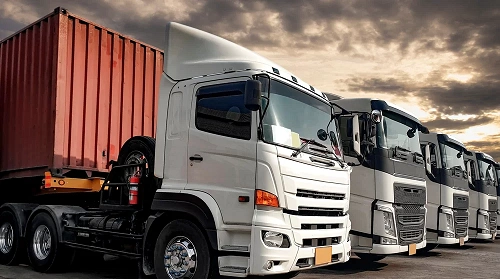
The Effect of Vehicle Specification on Logistics
In 2026, the main factor in transport pricing remains the vehicle’s physical characteristics, such as weight, size, and condition. Trucks, whether small pickups or large commercial models, take up more space than regular cars, which affects the type of trailer needed. Carriers must consider how much room a truck takes up on a multi-car hauler, since a large truck might use the space of two smaller vehicles.
When a truck is fitted with aftermarket accessories such as lift kits, large tires, or heavy-duty winches, transportation becomes significantly more complex. These modifications affect the truck’s height and balance, often requiring specialized loading techniques or low trailers. For motorsport or classic truck transport, additional precautions are required to prevent damage during loading.
Key Factors Impacting Price (2026 Estimates)
| Factor | Description | Estimated Impact on Price |
| Weight | Overall mass, particularly for EV trucks and commercial models. | 15% – 25% Increase |
| Dimensions | Height and length, affecting trailer space and clearance. | 10% – 20% Increase |
| Mechanical Status | Whether the vehicle is operable (drivable) or inoperable. | $150 – $400 Flat Fee |
| Modifications | Lift kits, brush guards, and oversized tires. | Variable (Case-by-Case) |
Who Framed Roger Rabbit? The Development of Electric Trucks
By 2026, as the popularity of fully electric trucks grows, a new variable has been added to the cost calculation. When one considers large battery packs, most electric trucks will have a considerably higher curb weight than their internal combustion engine equivalents. This additional weight influences the overall weight capacity of the transport trailer, making carriers, in most cases, focus on the number of vehicles they carry at once to be within the federal weight limit.
This means that the transportation of an electric truck can be priced at a premium, due to the logistical trade-offs professional, licensed truckers must make to keep interstate highways safe and compliant.
The Contribution of Mechanical Integrity
Another basic factor that determines the pricing framework is the car’s operational condition. Whenever a truck cannot be driven to a trailer by its own power, due to inoperability, the carrier should use winches or forklifts to assist with loading. This requirement not only extends the pickup and delivery process but also requires the driver to be trained to move non-running equipment.
The majority of the professional and licensed carriers will impose a specific surcharge on the inoperable vehicles due to the extra work and equipment wear. In the logistical chain, ensuring that a vehicle is at least steerable and rollable can significantly reduce auxiliary costs, enabling a more streamlined transport experience.
Distance, Route Complexity, and Geography
The spatial relationship between the origin and destination, along with the vehicle’s physical features, is one of the main pillars of the pricing architecture. When we analyze the relationship between distance and cost in this case, we see that total expenditure increases with increasing mileage, but the cost per mile decreases with longer transit. This is because the fixed costs of loading, unloading, and administrative overhead are spread over a larger distance.
Nevertheless, the route complexity tends to be as considerable in 2026 as the overall mileage. Professional and licensed carriers define routes based on:
- Infrastructure quality;
- Traffic intensity;
- Availability of backhaul opportunities.
When a truck is being moved between the large metropolitan regions, say a transit between Chicago and Atlanta, the commercial traffic is so high that it is possible to negotiate a better price. On the contrary, when there is a pickup or delivery in a rural area, the cost can only be estimated based on the deadhead miles a driver has to travel. Given the limited access to large multi-carriers and the possibility of narrow, unpaved roads, rural transport requires a premium.
The Effect of the Season and Market Cycles
Car transport prices fluctuate with the seasons and people’s moving habits. If you move during the busy season, late May through early September, demand is high, and carrier space is limited, so prices rise. Furthermore, the “snowbird” migration patterns continue to play a pivotal role in the 2026 logistical calendar.
| Season | Demand Level | Price Trend | Logistical Focus |
| Spring | Moderate | Increasing | Preparation for summer relocation surge. |
| Summer | High | Peak | National moving season; high competition. |
| Autumn | Moderate | Stabilizing | Snowbird migration to the Sunbelt starts. |
| Winter | Low | Lowest | January/February potential for cost savings. |
Fuel Dynamics and Economic Volatility
Fuel is often considered a minor component compared to labor and insurance, but it remains a volatile variable that can cause unexpected price fluctuations. In 2026, the integration of hybrid and electric transport fleets has introduced a more complex “energy surcharge” model that accounts for charging infrastructure availability and the time required to replenish energy.
Carriers must monitor global oil prices and local energy policies to protect themselves from sudden cost increases. When you get a quote, it usually includes a ‘fuel peg’ based on current averages. If fuel prices change before your truck is picked up, the quote may be updated to match the new costs. This transparency helps carriers maintain high standards without cutting corners on equipment or driver skill.
Infrastructure and Toll Taking
Besides mileage and fuel, the professional has to deal with the changing environment of interstate tolls and congestion pricing. By 2026, several major cities have already introduced electronic tolling machines that adjust prices based on vehicle weight and time of day. These ancillary expenses are usually combined with the transport quote. When a route must use high-cost infrastructure like the George Washington Bridge or the special tunnels in the Northeast, the customer must anticipate a direct cost for these expenses.
Strategic Choosing: Open/Close Transport Modalities
The nature of transport equipment is a major factor that affects cost:
- Open Transportation: When transporting a standard pickup or work truck, this is the most cost-effective option. Open trailers allow carriers to spread costs across multiple cars. Most trucks are strong enough that this factor will pose little danger.
- Enclosed Transport: When you have a vintage truck, a luxury custom car, or a motorsport car, enclosed transport is worth the price. It protects your car from weather conditions, highway salts, and unsolicited attention. The cost is typically 40 to 60 percent higher than that of open transport.
Insurance, Liability, and the Bill of Lading
The owner should be extremely careful to confirm the specific cargo limits of the carrier. In 2026, the industry standard for cargo insurance changed to reflect the higher replacement costs of modern vehicles. A standard policy may not cover the entire value of a heavy-duty commercial truck or a modified off-road vehicle.
The main legal document is the Bill of Lading (BOL). This paper is a report on the conditions at the source and destination. When the car is retrieved, it is thoroughly examined, and any previous blemishes are recorded. Upon delivery, a secondary check is conducted. All discrepancies should be noted on the BOL prior to the final signature to protect the consumer’s economic interests.
Cost Optimization 2026 Strategies
Although many transport prices are determined by market forces, customers can still save money without compromising service quality:
- Scheduling Flexibility: The wider the timeframe a carrier is given, the more they can accommodate your shipment on an efficient route.
- Terminal Shipping: You would save a lot if you collected your truck at a central regional terminal, eliminating “final mile” complexity.
- Multi-Vehicle Consolidation: For commercial companies, volume discounts can yield a better deal when multiple units are consolidated.
- Elimination of Aftermarket Accessories: Removing roof racks or huge bed covers prior to shipping will restore your truck to its regular size and may qualify it for a different price bracket.
Conclusion
Truck transport prices in 2026 are the result of a delicate equilibrium among the vehicle’s requirements, geographical factors, and the broader economic environment. When a consumer realizes that the lowest price does not necessarily mean the best value, he/she stands in a better position to choose professional and licensed carriers that value mechanical integrity and safety. Transporting fine-tuned machines over large distances is still a pillar of the American economy, and the development of the transport industry in 2026 is an indication of adherence to transparency and technological supremacy.
Whether you need standard car delivery or specialized heavy-duty service, being informed can help you manage the process without any doubts. The most critical aspect of a successful move remains reliability and expertise, as the industry evolves with new energy and infrastructure.

Our dedicated team gathers information from all the reliable sources to make the law accessible and understandable for everyone. We provide the latest legal news stories from across the country, delivered straight to you.